In a recent public debate between a Muslim speaker and a panel of Christians, one argument drew more attention than most. The apostles in Jerusalem, the speaker said, told the Gentile believers to abstain from food sacrificed to idols. The risen Jesus, in the Book of Revelation, condemns those who eat it.
Paul allowed it. “Who gives Paul the right?”
The question goes to the heart of a larger one: whether Paul taught what Jesus and his first followers taught, or something of his own. This article aims to provide context to that question, insha’Allah, in six answers: what the Jerusalem decree says, what Revelation says, what Paul permitted and forbade, how the early church read the matter, and where the Quran stands. We state Paul’s position in full, because it is more careful than the debate allowed.
Number 1: What the apostles decided in Jerusalem
Acts 15 records a meeting of the apostles and elders in Jerusalem, called to decide what the Gentile believers must keep of the law of Moses عليه السلام. James gives the judgement: “we should not trouble those of the Gentiles who turn to God, but should write to them to abstain from the things polluted by idols, and from sexual immorality, and from what has been strangled, and from blood” (Acts 15:19-20).[1]
The letter sent to the churches puts the decision in the strongest terms: “it has seemed good to the Holy Spirit عليه السلام and to us to lay on you no greater burden than these requirements: that you abstain from what has been sacrificed to idols, and from blood, and from what has been strangled, and from sexual immorality” (Acts 15:28-29). Years later, when Paul comes to Jerusalem for the last time, James repeats the decree to him in the same words (Acts 21:25).[1]
The decree is short, and it is called necessary. Food sacrificed to idols stands first in the list.
Scholars have long noticed where the list comes from. Leviticus 17 and 18 set out the laws binding on “the stranger who sojourns among” Israel, the non-Israelite living in the land: no sacrifice except to God, no eating of blood, no sexual immorality. The Jerusalem decree applies those same laws to the Gentile believers.
It was not a new rule invented for the occasion. It was the law of Moses for the outsider who joins the people of God.[1]
Number 2: The letters in Revelation condemn it
The Book of Revelation opens with letters from the risen Christ to seven churches in Asia Minor. Two of them name food offered to idols as a sin.
To Pergamum: “you have some there who hold the teaching of Balaam, who taught Balak to put a stumbling block before the sons of Israel, so that they might eat food sacrificed to idols and practice sexual immorality” (Revelation 2:14). To Thyatira: “you tolerate that woman Jezebel, who calls herself a prophetess and is teaching and seducing my servants to practice sexual immorality and to eat food sacrificed to idols” (Revelation 2:20).[2]
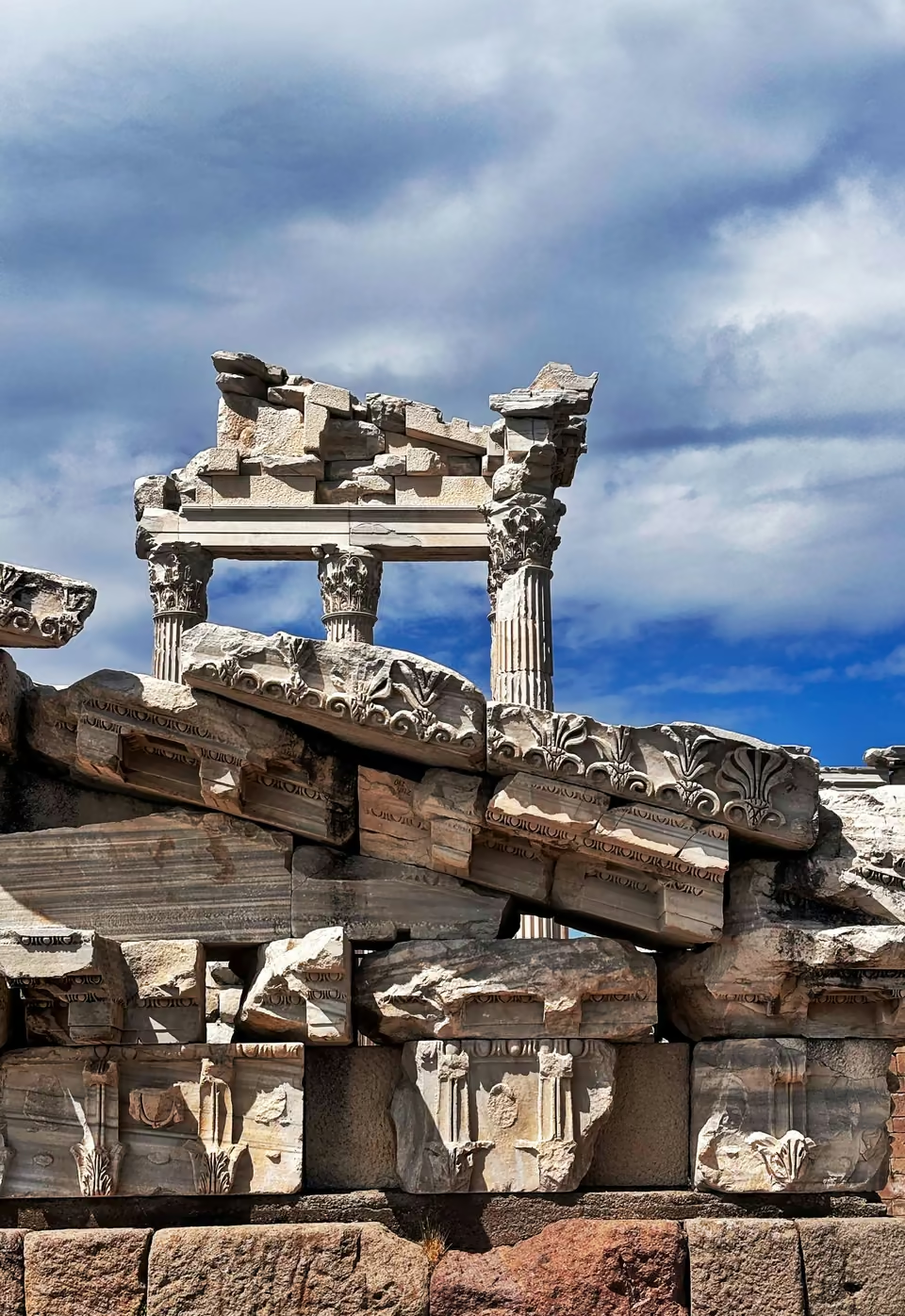
Both letters pair idol food with sexual immorality, exactly as the Jerusalem decree does. Whoever wrote Revelation, and the early church disagreed over that and over the book’s place in the canon, it shows that in the churches of Asia, where Paul had worked, some Christians held the decree to be binding and treated its breach as a grave sin.[2]
Number 3: What Paul permitted, and what he did not
Paul’s own position is set out in 1 Corinthians 8-10, and a fair account must give all of it. He begins from the principle: “we know that ‘an idol has no real existence,’ and that ‘there is no God but one’” (1 Corinthians 8:4).
“Food will not commend us to God. We are no worse off if we do not eat, and no better off if we do” (8:8). He allows the Corinthians to buy meat in the market without asking where it came from: “Eat whatever is sold in the meat market without raising any question on the ground of conscience” (10:25).[3]

He also sets limits. If a fellow believer would be led into sin, they must not eat: “take care that this right of yours does not somehow become a stumbling block to the weak” (8:9).
If someone says, “This has been offered in sacrifice,” they must not eat it (10:28). And they must not take part in meals at the temples: “You cannot drink the cup of the Lord and the cup of demons” (10:21).[3]
So the debate’s charge needs one correction: Paul also set limits on idol food. In another direction the charge stands. The decree said “abstain,” without conditions; Paul said the food itself is nothing and may be eaten, unless conscience or a neighbour’s weakness is at stake.
He calls this freedom “this right of yours” (8:9). That is a different rule from the one James sent to the churches.
Paul states the principle behind his approach in the next chapter: “To the Jews I became as a Jew, in order to win Jews… To those outside the law I became as one outside the law” (1 Corinthians 9:20-21), and in the next: “All things are lawful, but not all things are helpful” (10:23). The debater’s point turns on this flexibility. A rule that bends to the audience is a different kind of rule from one sent out as “necessary.”[3]
Number 4: "All foods clean": Romans and Mark
In Romans Paul states his principle more widely: “I know and am persuaded in the Lord Jesus that nothing is unclean in itself” (Romans 14:14); “Everything is indeed clean, but it is wrong for anyone to make another stumble by what he eats” (14:20).[4]

Christians in the debate answered that Jesus himself declared all foods clean, citing Mark 7:19. The English Standard Version prints the words in brackets: “(Thus he declared all foods clean.)” The brackets mark a comment by the evangelist; the words are not given as Jesus’ own.
Matthew, who tells the same story, has no such comment, and ends with a different conclusion: “to eat with unwashed hands does not defile anyone” (Matthew 15:20). The dispute in both Gospels began with handwashing.[4]
Mark is generally dated after Paul’s letters, which makes it possible that the comment reflects the church’s later practice more than the saying’s first meaning. At the least, the Gospel with the narrower ending cannot be set aside in favour of the one with the wider comment.
Christians in the debate also appealed to Peter’s vision in Acts 10, where a voice tells him to “kill and eat” animals the law calls unclean. Peter himself explains what the vision meant: “God has shown me that I should not call any person common or unclean” (Acts 10:28). He applies it to people, to the welcome of Gentiles into the faith, and the Jerusalem decree that followed in Acts 15 still forbade idol food, blood and strangled meat.[4]
Number 5: Paul's silence about the decree, and the early church
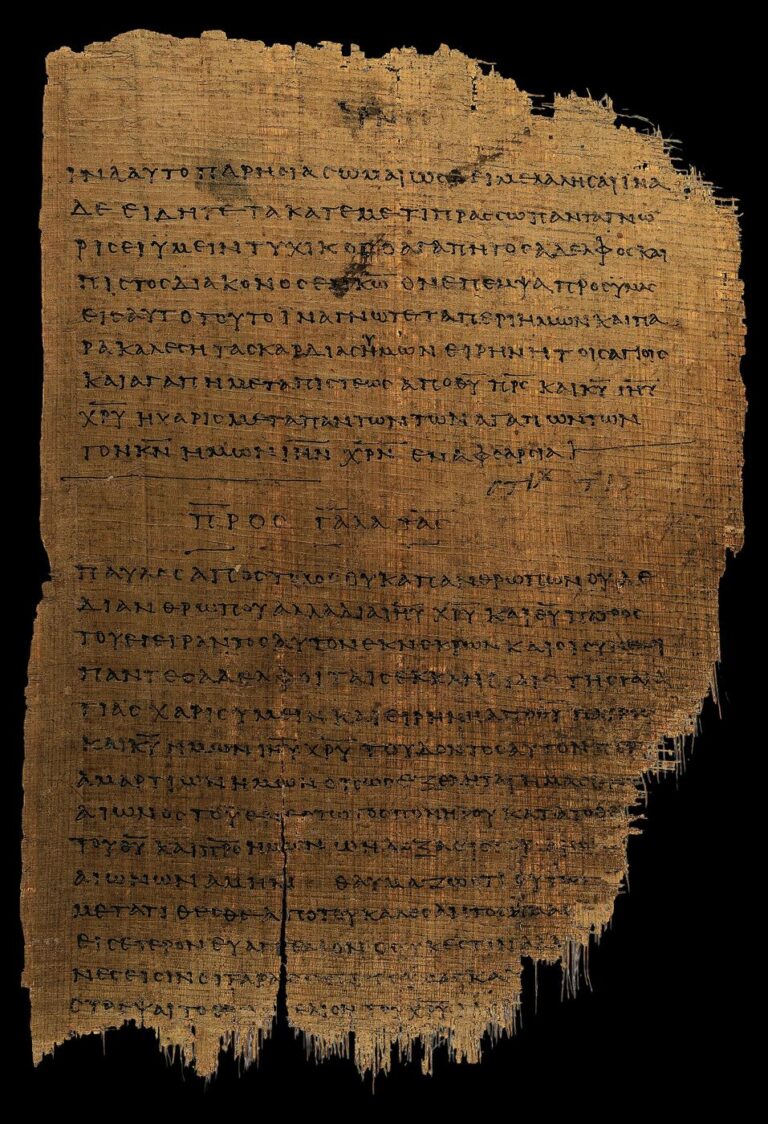
Paul never mentions the Jerusalem decree in his letters. Describing what he calls the same meeting in Galatians 2, he says the leaders in Jerusalem “added nothing to me,” and asked “only… that we remember the poor” (Galatians 2:6-10).
Scholars have long noted the tension between this account and Acts 15. The New Testament scholar C. K. Barrett, in a study of the controversy, described the question of food sacrificed to idols as a real division in the early church, bound up with disputes over Paul’s authority as an apostle.[5]

The early church outside Paul’s letters mostly kept the decree. The Didache, a church manual of the late first or early second century, says: “concerning food, bear what you are able; but against what is sacrificed to idols be exceedingly on your guard, for it is the worship of dead gods.” Justin Martyr in the second century and Origen in the third both treat abstention from idol food as part of Christian practice.[5]
This is the line al-Faruqi draws between Jesus and the theology built upon him, and our article on Paul and the law takes the larger question.
Number 6: The Quran stands with the decree
The Quran forbids almost exactly what the Jerusalem decree forbade. “Forbidden to you are carrion, blood, the flesh of swine, what has been dedicated to other than God, the animal that has been strangled… and what has been sacrificed on stone altars” (5:3; compare 2:173). The stone altars (nusub) were the idol altars of pagan Arabia.
Blood, the strangled animal and what is offered to idols: three of the decree’s four prohibitions, with sexual immorality forbidden throughout the Quran. “And do not eat of that over which the name of God has not been mentioned” (6:121).[6]
The Quran also allows what the decree allowed. “The food of those who were given the scripture is lawful for you” (5:5), and the jurists held this to mean the slaughter of Jews and Christians, made in the name of God.
What is offered to an idol stays forbidden. On this question the Quran stands where James and the elders stood, and where the letters of Revelation stood.
The bottom line
The apostles in Jerusalem told the Gentile believers to abstain from food sacrificed to idols, and called the rule necessary. The letters in Revelation condemn those who teach Christians to eat it.
Paul forbade temple meals and asked believers to spare a weaker brother, but he held that idol food is nothing in itself and could be eaten. He never mentions the decree, and his account of the Jerusalem meeting leaves it out.
The disagreement was real, and the early church felt it. The Quran’s food laws match the decree of James closely.
A reader who wants to know which teaching came from the first followers of Jesus has the texts to compare. God knows best.
Notes
- Acts 15:1–29; 21:25; Leviticus 17:8–16; 18:6–26. Bible quotations follow the English Standard Version.
- Revelation 2:12–29. On the early disputes over the authorship and canonical standing of Revelation, see Eusebius, Ecclesiastical History 3.25 and 7.25.
- 1 Corinthians 8:1–13; 9:19–23; 10:14–33.
- Acts 10:9–28; Romans 14:14–20; Mark 7:1–23, with the ESV’s parenthesis at 7:19; Matthew 15:1–20.
- Galatians 2:1–10. C. K. Barrett, “Things Sacrificed to Idols,” New Testament Studies 11 (1965), pp. 138–153. Didache 6.3. Justin Martyr, Dialogue with Trypho 34–35; Origen, Against Celsus 8.30.
- Quran 5:3; 2:173; 6:121; 5:5.


Leave a Reply