Plain explanations of the words that come up most often when Islam is discussed: what each one means, how Muslims understand it, and what the sources say. Every entry sets a common misunderstanding beside the answer to it.
The terms and their Arabic forms follow the lists in Ismail al Faruqi's Toward Islamic English. Each definition is restated here, with the source of the term given on its page.
Terms
#6Back to top
 ‘AbadaعبدAlso: Abada
To serve, worship and obey God as He has ordered, following Muhammad (peace be upon him); the sense is noble when God is the object and degrading otherwise.
- ‘Alayh al-Salamعليه السلام / عليهم السلامAlso: Alayhi Salam, AS, Alaihis Salam
“Peace be upon him” or “upon them”: said when a prophet other than Muhammad is mentioned by name, and abbreviated AS in writing.
 ‘Id Mubarakعيد مبارك / كل عام وأنتم بخير
“Blessed feast; may you be well every year”: the greeting said at ʿĪd al-Fiṭr, ʿĪd al-Aḍḥā and other annual celebrations.
 Topic‘Ilal al-Hadithعلل الحديثAlso: Ilal, Ilal Al-Hadith
The science of hidden defects in hadith: flaws in a report that look sound on the surface but weaken it.
 ‘ImmahعمامةAlso: Imamah, Amama, Turban
The turban, a head-covering worn by many Muslim men and by some scholars as a mark of their calling.
- ‘Urf, al-العرفAlso: Al-'Urf, Urf
The common and approved custom of a people, used in the absence of a contrary ruling as a basis from which law is derived
A122Back to top
 TopicA’udhu Billahi min al-Shaytan al-Rajimأعوذ بالله من الشيطان الرجيم
“I take refuge in Allah from Satan, the accursed”: said whenever one feels threatened, and before reciting the Quran.
 GroupAadعادAlso: Ad, A'ad
The people of the prophet Hud, destroyed for their arrogance, according to the Quran.
 Abadأبد
Everlastingness, being without end; the counterpart of azal, being without beginning.
- Abasaعبس
Chapter 80 of the Quran, “He frowned”, in which God rebukes the Prophet for turning away from a blind man.
- GroupAbbasid caliphateAlso: Abbassid
The dynasty that ruled the Muslim world from Baghdad from 750 to 1258.
 AbdعبدAlso: 'Abd
Servant or slave of God: the name for a human being in relation to his Creator.
- ʿAbdعبد ، عابدAlso: ʿAbid, Abd, Abid
The person who serves God; the plural of ʿabd is ʿibād and that of ʿābid is ʿābidūn.
- AblutionsوضوءAlso: Wudu, Ghusl, Tayammum
Washing before prayer: the minor wudu, the full bath (ghusl), and dry ablution (tayammum) where there is no water.
- AbuأبوAlso: Umm, Kunya
“Father of”: the form of name by which Arabs call a person after his eldest child, and its counterpart “Umm”, mother of.
 TopicAcacia flowersطلحAlso: Talh
A tree of Paradise named in the Quran (56:29).
- ʿAdhabعذابAlso: Adhab, Azab
Punishment, pain and suffering in this world or the next, which God inflicts on humans who violate His Shariah.
- Adhanأذان
The call to prayer, proclaimed from the mosque five times a day.
- Adoptionتبني
Islam forbids treating an adopted child as one’s own by blood, and urges caring for orphans.
 GroupAdoptionism
An early Christian view that Jesus became God’s Son by adoption.
 TopicAdoration
Prostration and worship belong to God alone, not to sun, moon or any creature (41:37).
- TopicAdult breastfeedingرضاع الكبيرAlso: Breast-Feeding (adult)
A single report about adult breastfeeding, understood by most scholars as a special case.
- AdulteryزناAlso: Zina, Fornication
Sexual intercourse outside marriage, which the Quran forbids and surrounds with strict conditions of proof.
- TopicAdversityصبرAlso: Patience, Sabr, Burden
Patience in hardship: steadfastness, which the Quran promises God will reward without measure.
- AflahaأفلحAlso: Aflah, Falah
To succeed in one’s endeavour; the Quran uses it for the believers who attain lasting success.
 Afternoon prayerعصرAlso: Asr, Afternoon
The third of the five daily prayers, between mid-afternoon and sunset.
 TopicAge of responsibilityبلوغAlso: Age, Bulugh
The point at which a Muslim becomes accountable for religious duties, at puberty.
- TopicAggressionعدوانAlso: Attacks, Arguments
The Quran forbids transgression, allows only proportionate defence, and urges forgiveness and the better response.
- ʿAhd, al-العهدAlso: Al-ʿAhd, Ahd, Covenant With God
The covenant between God and humankind, by which people pledge obedience and God rewards or punishes accordingly; a lawful pledge between people is also binding.
 TopicAhkam al-Qur’anأحكام القرآنAlso: Ahkam Al-Quran, Verses Of Rulings
The rulings and prescriptions taken directly from the text of the Quran, and the name of a genre of works that gather them.
 GroupAhl al-Baytأهل البيتAlso: Ahlul-Bayt
The Prophet’s household, held in special honour by all Muslims.
- Ahl al-Kitabأهل الكتاب
The People of the Book: Jews and Christians, who received earlier scriptures.
- GroupAhl al-Sunnah wal-Jama’ahأهل السنّة والجماعةAlso: Sunni, Ahl Al-Sunna
The community that stands united behind the Sunnah of the Prophet, the name by which the Sunni majority of Muslims know themselves.
- AhmadأحمدAlso: Comforter, Paraclete
A name of the Prophet, “the most praised”, which the Quran gives in 61:6.
 GroupAhmadiyyaأحمديةAlso: Ahmadiyyah, Ghulam Ahmad, Mirza Ghulam Ahmad
A movement founded in 1889 by Mirza Ghulam Ahmad, which most Muslims do not count as part of Islam.
- AhsanaأحصنAlso: Ihsan Of Chastity, Muhsan, Muhsana
To keep oneself pure from illegitimate sexual contact; muḥṣin and muḥṣana name a man or woman who guards chastity.
- AjalأجلAlso: Appointed Term
The time that God has appointed for any event, above all the span of a life or the end of a nation.
- Ajrukum ‘ala Allahأجركم على اللهAlso: Ajrukum Ala Allah
“Your reward rests with God”: said to a person who deserves compensation, as a prayer that God repay what the person gave or lost.
- TopicAkbarأكبرAlso: Takbir
A divine attribute meaning the Greater: God is greater than anything that can be named or compared, as in the takbir Allahu akbar.
- AkhأخAlso: Ikhwah, Ikhwan, Brother
A brother in faith; the plurals are ikhwah and ikhwān.
- AkhiraآخرةAlso: Akhirah, Hereafter
The Hereafter: the life after death, judgement, and the abode of reward or punishment.
- TopicAkhirah, al-الآخرةAlso: Al-Akhirah, Al-Akhira, Hereafter
The hereafter: the judgment, and the eternal consummation of that judgment in Paradise or Hell.
- Al-ال
The Arabic definite article, “the”, which explains why the same name is spelled in several ways.
- TopicAl-‘Urwah al-Wuthqaالعروة الوثقىAlso: Firmest Handhold, Urwa Wuthqa
The firmest handhold: the indissoluble bond of Islam to which a believer holds fast.
- TopicAl-Amr bil-Ma’ruf wal-Nahy ‘an al-Munkarالأمر بالمعروف والنهي عن المنكرAlso: Hisba, Enjoining Good And Forbidding Evil, Amr Bil Maruf
Commanding what is commonly known as good and forbidding what is evil or undesirable, a duty laid on the Muslim community.
- GroupAl-AzharالأزهرAlso: Al-Azhar, University Of
A mosque and university in Cairo, founded about 970, and the best-known centre of Sunni learning.
- Al-AzizالعزيزAlso: 'Aziz, Al
One of God’s names, “the Mighty”, and the Egyptian title of an official in the story of Joseph.
 GroupAl-Bayt, al-آل البيتAlso: Al al-Bayt, Al Al-Bayt, Ahl Al-Bayt
The household of the Prophet Muhammad (peace be upon him), whom Muslims honour and include in their blessings on him.
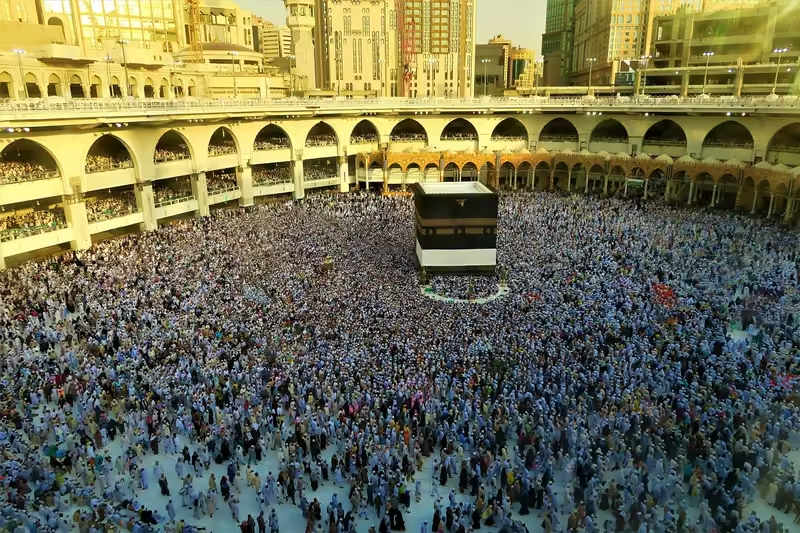
 PlaceAl-Bayt al-Haramالبيت الحرامAlso: Sacred House, Holy House
The Sacred House, a name of the Kaaba in Mecca, toward which Muslims face in prayer and around which they circle in the hajj.
- TopicAl-Dhawq al-Shar’iالذوق الشرعيAlso: Dhawq Shari, Legal Taste
The informed, intuitive and critical sense by which a judge reaches verdicts that fulfil, or come closest to fulfilling, the purposes of the Shariah.
- Al-Hamdu Lillahالحمد للهAlso: Alhamdulillah, Alhamdu Lillah, Hamdala
“All praise and thanksgiving be to Allah”: said after finishing eating, drinking or any other activity.
- Al-Hamdu Lillah alladhi At’amanaالحمد لله الذي أطعمنا وسقانا وجعلنا مسلمينAlso: Dua After Eating
“Praise be to Allah who gave us to eat and drink and made us Muslims”: said at the conclusion of every meal.
- Al-Hamdu Lillah alladhi Kasaniالحمد لله الذي كسانيAlso: Dua For Clothing, Dua For Dressing
“Praise be to Allah who clothed me”: said each time one puts on one’s clothes.
- Al-Hamdu Lillahiالحمد لله / الحمد لله رب العالمينAlso: Alhamdulillah Rabb Al-Alamin
Praise and thanksgiving to Allah, Lord of the universe, said at the end of any activity.
- Al-Hamdu Lillah Rabb al-‘Alamin… Rahimakum Allah… Ajma’inالحمد لله رب العالمين رحمكم الله أجمعينAlso: Sneezing, Yarhamuk Allah
The exchange after a sneeze: the sneezer praises God, those present answer with a prayer for mercy, and the sneezer replies with a prayer for all.
- GroupAl-Mu’allafah Qulubuhumالمؤلفة قلوبهمAlso: Muallafat Al-Qulub, Reconciled Hearts
Those whose hearts are yet to be reconciled; the Quran lists them among the recipients of zakah.
- GroupAl-Nadir, Banuبنو النضيرAlso: Banu Nadir
A Jewish tribe of Medina, expelled in 625 after a plot against the Prophet.
- TopicAl-Qawa’id al-Fiqhiyyahالقواعد الفقهيةAlso: Legal Maxims, Qawaid Fiqhiyya
The general maxims that jurists follow in the legal process, each stating a principle that runs through many cases.
- TopicAl-Qawa’id al-Usuliyyahالقواعد الأصوليةAlso: Usul Rules, Qawaid Usuliyya
The general rules of juristic deduction, whether linguistic or contextual, by which rulings are drawn from the Quran and the hadith.
- Al-Salamu ‘Alaykum wa Rahmah Allahالسلام عليكم ورحمة اللهAlso: Assalamu Alaikum, As-Salamu Alaykum, Salam
“Peace be upon you and the mercy of God”: said whenever a Muslim meets a Muslim and on entering a house or room.
- Al-Salatu wal-Salamu ‘ala Sayyidina Muhammadالصلاة والسلام على سيدنا محمد وعلى آله وصحبه أجمعينAlso: Salawat, Salat Ala Al-Nabi
“Blessings and peace on our master Muhammad, on his family and on all his companions”: it opens speeches and writings and may be said at any time.
- TopicAl-Uswah al-Hasanahالأسوة الحسنةAlso: Uswa Hasana, Good Example
The good example of the Prophet Muhammad (peace be upon him), which Muslims follow in worship, conduct and character.
- TopicʿAlamin, al-العالمينAlso: Al-ʿAlamin, Al-Alamin, Worlds
The worlds: creation in its totality in space and time, of which God is the Lord.
- AlimعالمAlso: Ulama
A scholar of religion; the plural, ulama, is the learned class of Muslim societies.
- TopicʿAlim, al-العليمAlso: Al-ʿAlim, Al-Alim, Alim
A divine name meaning the All-Knowing, He whose knowledge extends to everything.
- TopicʿAliyy, al-العليّAlso: Al-ʿAliyy, Al-Aliyy, Aliy
A divine name meaning the Highest, God being exalted above all creation and every comparison.
- AllahاللهAlso: Alah, God
The Arabic word for God, used by Arabic-speaking Muslims, Christians and Jews alike.
- Allahu Akbarالله أكبر
“God is greater”: the phrase that opens the prayer and the call to prayer, and is said in many other moments of life.
- AllahummaاللهمAlso: Allahumma, Allahuma
The invocation form of the name Allah, used to call on God in worship and prayer.
- Allahumma Ahillahu ‘Alayna bil-Yumniاللهم أهلّه علينا باليمن والايمان والسلامة والاسلام والتوفيق لما تحب وترضىAlso: Moon Sighting Dua, Dua For New Moon
A prayer on sighting the new moon, asking that the month bring benefit, faith, security, Islam and success in what God loves.
- Allahumma Akfini bi Halalikaاللهم اكفني بحلالك عن حرامك، واغنني بفضلك عمن سواكAlso: Dua For Halal Income, Dua For Rizq
A prayer for sufficiency from lawful gain, freedom from need of the forbidden, and enrichment by God’s grace alone; said before any enterprise or day of work.
- Allahumma Anta Rabbiاللهم أنت ربي. لا اله الا أنت. عليك توكلت وأنت رب العرش العظيمAlso: Dua Before Starting
“O God, You are my Lord; there is no god but You; in You I put my trust, Lord of the great Throne”: said when one sets out on an activity.
- Allahumma Inni A’udhu bika min al-Hamm wal-Hazanاللهم اني أعوذ بك من الهم والحزن ومن العجز والكسل ومن الجبن والبخل ومن غلبة الدين وقهر الرجالAlso: Dua For Anxiety, Dua Hamm Hazan
A prayer for refuge in God from cares, weakness, laziness, cowardice, miserliness, heavy debt and the tyranny of men; said in trouble or grave concern.
- Allahumma Rabba Hadhihi al-Da’wah al-Tammahاللهم رب هذه الدعوة التامة والصلاة القائمة آت محمدا الوسيلة والفضيلة وابعثه مقاما محمودا الذي وعدتهAlso: Dua After Adhan, Dua After Azan
The supplication said after hearing a complete adhan, asking God to grant Muhammad (peace be upon him) the highest station and the place of praise He promised.
- TopicAlliancesAlso: Alliances With Non-Muslims, Friends
The Quran’s verses on alliance and friendship with Jews, Christians and others, which must be read with its call to justice and kindness.
- AlmsgivingAlso: Sadaqa, Sadaq, Charity
Zakat is the obligatory share; sadaqa is voluntary giving beyond it.
- TopicAlpha and Omega
The Greek letters that Revelation uses for “the first and the last”, a title the Quran also gives to God alone (57:3).
- ʿAmalaعملAlso: Amal, Deeds
To do good or evil works in an active, participatory life, fully engaged with the processes of history.
- AmanaأمانةAlso: Trust
Trust: a responsibility entrusted by God, and honesty in keeping what is entrusted.
- Amanahأمانة
A trust: what has been entrusted to a person, whether property, a secret or a duty.
- ʿAmaraعمّر
To build or operate a land, site, building or piece of equipment so that it fulfils its purpose.
- Amenآمين
The word said at the end of a prayer; in Islam it is said after the opening chapter.
- TopicAn’ama Allahu ‘Alaykأنعم الله عليك
“May Allah bless you too”: the reply to naʿīman, a wish of comfort and well-being.
- TopicAnatomyAlso: Heart
The Quran’s references to the human body are about God’s signs, and are not a textbook of anatomy.
 PlaceAndalus, al-الأندلسAlso: Spain
The Muslim-ruled parts of the Iberian peninsula from 711 to 1492.
- AngelsملائكةAlso: Malaika
Beings created from light to serve God, whom Muslims are required to believe in.
- TopicAngerغضب
The Quran praises those who restrain anger and forgive.
- TopicAnimalsحيوانAlso: Beasts, Bees, Birds
The Quran describes animals as communities like humans, as signs of God, and as creatures owed kindness.
- GroupAnsarأنصارAlso: Helpers
“The Helpers”: the people of Medina who received the Prophet and his emigrant followers.
- TopicAntنملة
The Quran’s story of Solomon and the ant (27:18–19) and its use of a small creature as a sign.
- TopicAntisemitism
Hatred of Jews, which Islam’s sources do not teach; the Quran distinguishes particular acts from a whole people.
- TopicApesقردة
The Quran says that a group who broke the Sabbath became “apes, despised” (2:65, 7:166); early commentators differed on whether this is literal.
- TopicApologetics
The reasoned defence of a faith, which the Quran itself commands: to argue “in the best manner” (16:125).
- ApostasyردةAlso: Irtidad, Murtad, Riddah
Leaving Islam. The Quran gives no worldly penalty for it; the classical law did, and Muslim scholars still differ.
- ApostleرسولAlso: Rasul, Messenger
A messenger: a prophet sent with a message and, usually, a scripture to a people.
- ʿAqalaعقل
To reason, and by reasoning to arrive at knowledge (ʿilm).
- Aqamaأقام
To establish, hold or fulfil something; to make it present again.
- AqeedaعقيدةAlso: Aqidah, Doctrine, Creed
Creed: the beliefs a Muslim holds about God, the prophets, the scriptures and the Last Day.
- ʿAqilعاقل
The person who reasons and by reasoning arrives at knowledge (ʿilm); plural ʿāqilūn.
- Aqsataأقسط
To do justice; to act with fairness and equity.
 PlaceArabia
The peninsula where Islam began, in which Jews, Christians and idol-worshippers lived before the Quran.
- TopicArabicعربيةAlso: Arabic Language
The language of the Quran, described in the Quran as “clear Arabic” (16:103).
 BookArabic dictionariesAlso: Arabic-English
Standard dictionaries for reading the Quran’s Arabic: Lane’s Lexicon, Hans Wehr, and the classical Lisān al-ʿArab.
- GroupArabsعرب
A people of the Arabian peninsula; Muslim tradition traces them to Ishmael and to Qahtan.
 PlaceArafatعرفات
The plain near Mecca where pilgrims stand on the ninth of Dhu al-Hijja, the heart of the Hajj.
- ArbitrationتحكيمAlso: Hakam
Settling a dispute through a neutral third party, which the Quran commends.
- TopicArchaeology
Archaeology bears on Islam’s early history: the Dome of the Rock, early manuscripts, and the places named in the Quran.
- TopicArkسفينةAlso: The Ark, Tabut
The Quran names two arks: Noah’s ship and the Ark of the Covenant (tābūt).
- TopicArmourAlso: Armor
The Quran mentions armour as a gift from God to David and as part of defence.
- Asbab al-Nuzulأسباب النزول
The occasions of revelation: the circumstances in which a verse was revealed.
- GroupAshariأشعريةAlso: Ash'ari, Asharite, Ashariyya
The theological school of Abu al-Hasan al-Ash‘ari (d. 936) that became the most widely followed creed among Sunnis.
- TopicAsma’ Allah al-Husnaأسماء الله الحسنى
The most beautiful names of Allah, by which He is called upon and known.
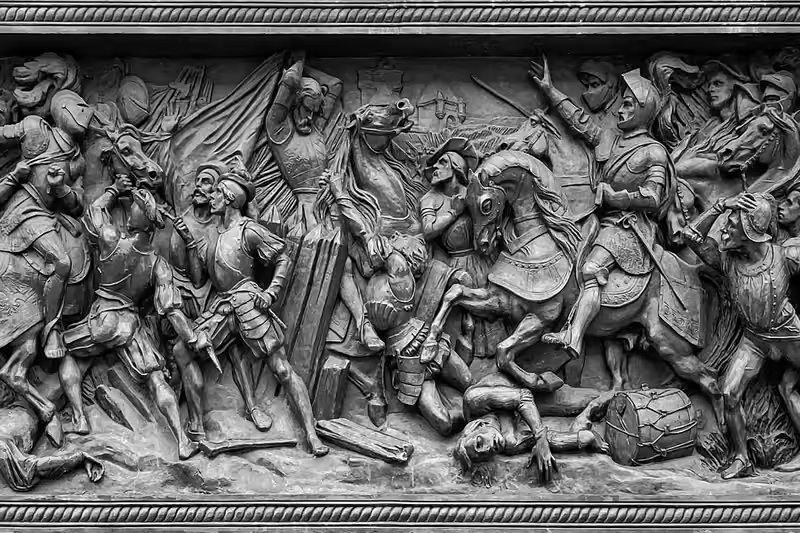 EventAssassination of the poetsAlso: Assassination, Assassinations
Accounts of the killing of several people who mocked the Prophet and fought against him, which scholars treat very differently.
- TopicAstaghfir Allah alladhi la Ilaha illa Huwaأستغفر الله الذي لا إله إلا هو الحي القيوم وأتوب إليه
“I seek the forgiveness of Allah, other than Whom there is no god, the Ever-Living, the Sustainer, and I turn to Him in repentance.”
- TopicAstaghfiru Allah Li wa Lakumأستغفر الله لي ولكم، استغفروه
“I seek Allah’s forgiveness for myself and for you; seek His forgiveness too.” Said by the imam at the end of the first Friday and ʿId sermon.
- TopicAstawdi’ Allah Dinakaأستودع الله دينك وأمانتك وخواتيم عملك
“I entrust to Allah your faith, your trust and the seal of your deeds.” Said by a person departing to those who remain, or by them to him.
- TopicAstronomy
The Quran invites its readers to study sun, moon and stars as signs, but it is not a textbook of astronomy.
- TopicAtomsذرةAlso: Dharra
The Quran’s “weight of an atom” (mithqāl dharra) means the smallest thing one can think of.
- TopicAtonement and repentanceتوبةAlso: Atonement, Tawba, Repentance
In Islam sins are forgiven by God on repentance, without a blood sacrifice or the suffering of another.
- TopicAuthorityAlso: Ulu al-Amr
Those in authority: the Quran tells Muslims to obey God, the Messenger and those in authority, and to refer disputes to God and the Messenger.
- AwwabأوابAlso: Awwabun
The Muslim who repeatedly turns back to God in repentance after any misdeed; plural awwābūn.
- TopicAwwal, al-الأولAlso: Al-Awwal, al-Awwal
A divine name: the First, before whom there is nothing.
- Awwalaأول
To interpret what is not plainly known, such as dreams or the hidden meanings of a text; verbal noun taʾwīl.
- AyaآيةAlso: Ayah, Ayat
A sign, and the word for a verse of the Quran.
- TopicAyibun, Ta’ibun, li Rabbina Hamidunآيبون تائبون لربنا حامدون
“We return, repenting, praising our Lord”: said by a traveller on returning home.
- TopicʿAzim, al-العظيمAlso: Al-ʿAzim, al-Azim
A divine name meaning the Great, the Mighty and the Glorious.
- AzlعزلAlso: Coitus Interruptus
Withdrawal before ejaculation, a method of birth control that the Prophet’s Companions practised and that most jurists permit.
- AʿazzaأعزّAlso: Aazza, Azza
To ennoble a person by raising him in honour and standing in society, an act the Quran ascribes to God.
B44Back to top
- Ba’th, al-البعثAlso: Al-Ba'th, Baʿth
Resurrection, when all people are raised to face God’s judgment.
- TopicBaalبعلAlso: Hubal
A Canaanite god whom the prophet Elijah rebuked his people for worshipping (37:125).
- PlaceBabelبابلAlso: Babylon
The Quran mentions Babylon in the story of Harut and Marut (2:102).
 BookBabur’s WillAlso: Babar's Will
A document attributed to the first Mughal emperor, urging tolerance towards Hindus; its authenticity is doubtful.
- TopicBacaبكة
A name in Psalm 84:6; the Quran uses a similar name, Bakka, for Mecca (3:96).
- BackbitingغيبةAlso: Ghiba
Speaking ill of someone in his absence, which the Quran compares to eating the flesh of one’s dead brother.
- TopicBadi’, al-البادئAlso: Al-Badi', al-Badi', al-Bādiʾ
A divine name meaning the Beginner of all things; also given as al-Mubdiʾ.
 EventBadrبدرAlso: Battle Of Badr
The first major battle between the Muslims of Medina and Quraysh, in Ramadan, 2 AH (624).
- Baghy, al-البغيAlso: Al-Baghy
A false or evil endeavour, spoiled by a false or evil intention, a false or evil result, or both.
- TopicBaked bricksAlso: Bricks
The Quran has Pharaoh say “kindle a fire for me, Haman, upon the clay” (28:38); baked brick was in use in ancient Egypt.
- Balagh, al-البلاغAlso: Al-Balagh
A name of the Quran: that which has reached humankind from God.
- TopicBaqi, al-الباقيAlso: Al-Baqi
A divine name meaning He who exists forever and remains after all else has passed away.
- Barakaبارك
To fill with the grace and approval of God.
- TopicBaraka Allah Fikبارك الله فيك
“May Allah bless you,” to one person (fīk) or several (fīkum), said as a compliment on any occasion.
- TopicBari’, al-البارئAlso: Al-Bari', al-Bāriʾ
A divine name meaning the Creator who brings things into being.
- Bashirبشير
A name of the Prophet Muhammad (peace be upon him): the bearer of glad tidings.
- TopicBasir, al-البصيرAlso: Al-Basir
A divine name meaning He who sees everything.
- Batilباطل
The opposite of ḥaqq: the false in belief, and the evil or wrong in conduct.
- TopicBatin, al-الباطنAlso: Al-Batin
A divine name meaning He who is hidden behind all phenomena; the opposite of al-Ẓāhir.
- Bay’ahبيعةAlso: Bay'ah
The nomination of the Khalifah by the leaders of the Ummah, or its endorsement by the community; also the pledge given to the Prophet (peace be upon him) at Madinah.
- Bayan, al-البيانAlso: Al-Bayan
A name of the Quran: that which is clear and makes other things clear; also eloquence of expression.
- PlaceBayt, al-البيتAlso: Al-Bayt
A name of the Kaʿba, the first house built for the worship of God, raised by Ibrahim and his son Ismaʿil (peace be upon them).
- Bayyinah, al-البينةAlso: Al-Bayyinah, Bayyinat
A name for each verse of the Quran, and in the plural (bayyināt) for all its verses: the clear proof that establishes truth against falsehood.
- GroupBedouinأعرابAlso: A'rab
The nomadic Arabs; the Quran speaks of some who were hypocrites and of others who believed (9:97–99).
- TopicBegging
Islam discourages begging when it can be avoided, and urges generosity to those who do beg.
- TopicBegottenAlso: Beget
The Quran’s statement that God neither begets nor is begotten (112:3), directed at the belief that God has a son in a literal sense.
- TopicBeheading
The Quran’s battlefield command “strike the necks” (47:4) is about combat; the Prophet forbade mutilation, and Muslim scholars have condemned beheadings by extremists.
 BookBhavishya Purana
A Hindu text some Muslim writers cite as foretelling Muhammad; most scholars date the passage after Islam.
 BookBibleAlso: Biblos
The scripture of Christians. Muslims honour the Torah and Gospel as revealed, and hold that the Bible as it is now includes later human additions.
- Bid’ahبدعةAlso: Bid`Ah, Innovation
Innovation in religion: adding to the faith what the Prophet did not teach.
- TopicBiologyAlso: Botany, Plants
The Quran refers to living things as signs of God, including that life began in water and that plants come in pairs.
- Birr, al-البرAlso: Al-Birr
A collective name for all conduct that God approves.
- TopicBirth
The Quran describes each birth as a new creation by God (39:6).
- TopicBirth rate
The Prophet encouraged marrying and having children, but this is not a strategy of takeover, and fertility in Muslim countries has fallen sharply.
- TopicBismi Allah al-Rahman al-Rahimبسم الله الرحمن الرحيم
“In the name of Allah, the Beneficent, the Merciful”: said at the start of any activity.
- TopicBismi Allah al-Rahman al-Rahimبسم الله الرحمن الرحيم
“In the name of Allah, the Beneficent, the Merciful”: said before eating, drinking or any other activity.
- TopicBismi Allah alladhi la Ilaha illa Huwaبسم الله الذي لا إله إلا هو
“In the name of Allah, other than Whom there is no god”: said each time one undresses.
- TopicBismi Allah Majraha wa Mursahaبسم الله مجراها ومرساها
“In the name of Allah be its course and its mooring”: said when boarding a ship, aeroplane or other vehicle.
- TopicBlack flag
Reports of black banners coming from Khorasan, used by the Abbasids and by modern extremist groups, which many scholars class as weak.
- TopicBlasphemy
The Quran forbids mocking religion and reviling others’ gods, but sets no worldly punishment; Muslim law has differed.
- TopicBorders
Verse 8:72 distinguishes between believers who migrated and those who did not, and puts treaty obligations first.
- TopicBribery
The Quran forbids using money to gain a ruling over another’s property (2:188), and the Prophet cursed both who gives and who takes a bribe.
- TopicBrotherhoodأخوةAlso: Fraternity, Brotherhood Of Faith
The Quran calls the believers brothers, and tells them to hold fast together and not to divide (3:103).
- GroupByzantinesرومAlso: Romans, Rum
The Quran’s chapter “The Romans” (30) says the Byzantines, defeated by the Persians, would win “within a few years”.
C29Back to top
- Caesarقيصر
The title the Arabs used for the Byzantine emperor, “Caesar of Rome”.
 GroupCAIRAlso: Council On American-Islamic Relations
An American Muslim civil rights and advocacy organisation founded in 1994.
- CaliphخليفةAlso: Khalifa, Khilafa, Caliphate
A successor to the Prophet as leader of the Muslim community; the four rightly guided caliphs were Abu Bakr, Umar, Uthman and Ali.
- PlaceCanaanAlso: Canaanites
The land between the Mediterranean and the Jordan; the Quran speaks of “the Holy Land” promised to the Israelites.
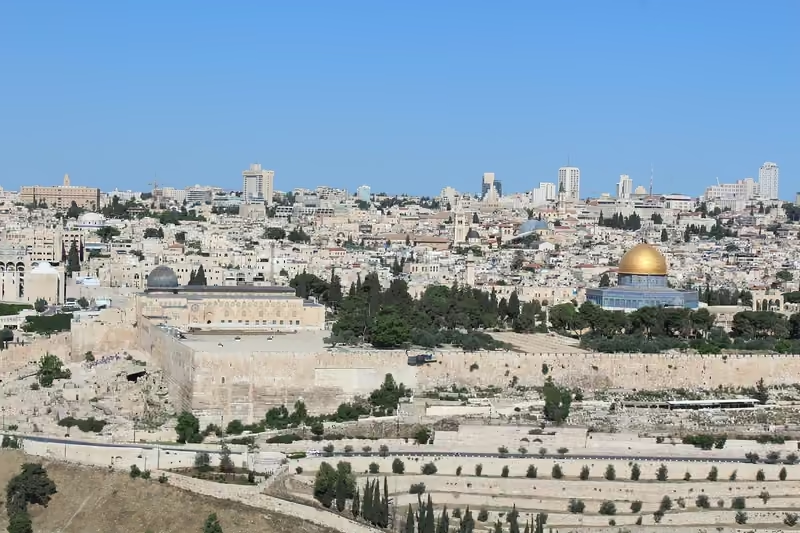 PlaceCave of HiraحراءAlso: Hira, Mt., Mount Hira, Jabal Al-Nour
The cave on the mountain outside Mecca where the Prophet used to retire and where the first revelation came.
- GroupCham
A Muslim minority of Cambodia and Vietnam, mostly Shafi’i Sunnis, who suffered greatly under the Khmer Rouge.
- TopicChessشطرنج
A hadith compares playing chess to dyeing one’s hand in the blood and flesh of swine, but scholars have differed on it.
- TopicChild marriageAlso: Child Brides
The Quran sets no minimum age of marriage but requires maturity (4:6); modern Muslim-majority countries have set minimum ages in law.
- TopicChildrenأولادAlso: Daughters, Infanticide, Children Of Adam
The Quran forbids infanticide, honours daughters, and asks that children be nursed and provided for.
- PlaceChina
Muslims have lived in China since the seventh century, and the Hui and Uyghurs are among the largest groups.
- GroupChristiansنصارىAlso: Christianity, Nasara, Nazarenes
The Quran’s name for Christians; it praises their piety and disagrees with their doctrine.
- TopicChristmas
Muslims honour Jesus’ birth, which the Quran tells in detail, but do not celebrate Christmas as a religious feast; scholars differ on greeting Christians at the season.
- TopicChurches and places of worshipAlso: Churches, Synagogues, Monasteries
The Quran lists churches, synagogues and monasteries with mosques as places in which God’s name is much remembered, and which fighting is meant to protect (22:40).
- CircumcisionختانAlso: Khitan, Female Circumcision, FGM
Male circumcision is a practice that most Muslim jurists treat as required or strongly recommended; the Quran does not mention it, and female cutting is not required.
- TopicCommandmentsAlso: Ten Commandments
Quran 6:151–153 and 17:22–39 give moral commandments close to the Ten Commandments.
- GroupCommission on Scientific SignsAlso: Scientific Signs, I'jaz
A body formed under the Muslim World League to promote the idea that the Quran foretells modern science.
- TopicCommon phrasesAlso: Alhamadu Lillah, Astaghfir Allah, Assalamu Alaikum
The short phrases Muslims say daily: “peace be upon you”, “praise be to God”, “God willing”, “in the name of God”.
- GroupCompanions of the Caveأصحاب الكهفAlso: Cave, The People Of, People Of The Cave, Seven Sleepers
Young believers who fled persecution and slept in a cave for centuries, in Quran 18:9–26.
- GroupCompanions of the ProphetصحابةAlso: Ashab, Companions, Sahaba
Those who met the Prophet, believed in him, and died as Muslims; the first generation of the community.
- TopicConception
The Prophet’s sayings describe the child in the womb as written down by an angel, and the Quran affirms that God shapes it.
- TopicCorruptionفساد
The Quran uses fasād for corruption of the earth and of society, and warns that wrongdoing brings its own harm (30:41).
- TopicCovenantعهدAlso: Covenant, The, Treaty, Mithaq
The Quran commands keeping covenants and treaties, and tells of the covenant God took from the prophets and the Children of Israel.
- TopicCow, the YellowالبقرةAlso: The Cow, Baqara, Cow, The Yellow
Chapter 2, the longest, named for the story of the yellow cow (2:67–73).
- TopicCreationخلقAlso: Cosmology, Day, Universe
The Quran says God created the heavens and the earth in six “days”, and gives “day” a wider sense than twenty-four hours.
- TopicCrescentهلالAlso: Crescent Moon Symbol
The crescent is a late symbol, not found in the Quran or the first centuries of Islam; Ramadan is begun by sighting the new moon.
- TopicCrucifixionصلب
The Quran says Jesus was not killed or crucified, “but it was made to appear so to them” (4:157).
 EventCrusades
The Latin Christian wars of 1095–1291 to take Jerusalem and the Holy Land; Muslims remember them as a Frankish invasion.
- TopicCurses and cursingلعنAlso: Curses
The Prophet forbade cursing people, saying he was sent as a mercy and not a curser.
- TopicCustomعرفAlso: Customs, Urf
Local custom is respected where it agrees with the faith, but the Quran condemns following forefathers blindly.
D36Back to top
- TopicDajjalالدجالAlso: Ad-Dajjal, Antichrist, Anti-Christ
The False Messiah of the end of time, described in hadith but not named in the Quran.
- Dalalضلال
The verbal noun of ḍalla: error, going astray from God’s guidance.
- Dallضال
A person who errs and strays from God’s straight path, especially in the course of history; plural ḍāllūn.
- Dallaضل
To err and stray from the straight path of God revealed to the Prophet Muhammad (peace be upon him).
- TopicDar al-Islam and Dar al-Harbدار الإسلامAlso: Dar Ul-Harb, Dar Ul-Islam, Dar …
Classical legal terms dividing the world into the “house of Islam” and the “house of war”, which are not in the Quran or hadith.
- TopicDatesتمرAlso: Date Palms, Palm
The date palm is named often in the Quran and was the food Mary was told to eat in labour (19:25).
- TopicDa Vinci Code
A 2003 novel and 2006 film claiming that the divinity of Jesus was invented at Nicaea; historians reject its claims.
- DawahدعوةAlso: Dawa, Da'Wa, Da'Wah
“Invitation”: calling people to Islam, which the Quran says should be done by wisdom and good counsel.
- TopicDead Sea Scrolls
Hebrew manuscripts found near the Dead Sea from 1947, dated from about 250 BC to AD 70.
- TopicDeathموت
The Quran says every soul will taste death (3:185), and that God created death as well as life as a test.
- TopicDebatesAlso: Debates, Muslim-Christian
Muslims and Christians have debated their beliefs since the early centuries, sometimes in the courts of the caliphs.
- TopicDeceptionمكرAlso: Makr, Best Of Deceivers, Schemers
“God is the best of schemers” (3:54): makr means a plan or counter-plan, and the verse is about God defeating the plots of those who plotted against Jesus.
- TopicDeedsأعمالAlso: Deed, Amal, Works
The Quran says deeds are weighed (21:47) and that faith without good works is incomplete; the Prophet said the best are those done regularly even if small.
- TopicDeification
The Quran’s charge that some of the People of the Book made a god of Jesus (5:72–73), and the Christian reply that this is not what the Church teaches.
- TopicDesecration of the QuranAlso: Desecration, Quran Burning
Muslims hold the Quran in great respect, and burning or defiling a copy gives deep offence; scholars have criticised violent reactions.
- DhikrذكرAlso: Remembrance
Remembrance of God: reciting His names and praises, in prayer and at other times.
- DhillaذلةAlso: Humility, Humiliation
Lowliness; the Quran uses it for the humiliation of wrongdoers and for the gentle humility believers should show each other and their parents.
- DhimmiذمّيAlso: Dhimmitude
A non-Muslim living under Muslim rule with the state’s pledge of protection.
- DinدينAlso: Deen, Religion
“Religion”: the way of life and the accounting before God; also law, custom and obedience.
- Din, al-الدينAlso: Al-Din, Deen
The normative, perfect religion that God ordained for humanity, covering faith, ethics, law, worship, institutions and judgment.
- TopicDirayah al-Hadithدراية الحديث
The studies concerned with the validity of the reporting of the Prophet’s words and acts, and of what is reported.
- Dirhamدرهم
A silver coin; the Quran says Joseph’s brothers sold him “for a miserable price, a few dirhams” (12:20).
- TopicDisabilityAlso: Blind, Handicapped, Feeble-Minded
The Quran lifts the burden of duties that a person cannot bear, and urges care for the blind, the sick and the weak.
- TopicDivination and the unseenغيبAlso: Future, Fortune-Telling, Astrology
Knowledge of the unseen belongs to God alone (72:26), and divination is forbidden.
- TopicDivine attributesصفاتAlso: Anthropomorphism, Tashbih
How Muslims understand verses that speak of God’s hand, face or throne, without making Him like His creatures.
- DivorceطلاقAlso: Talaq, Khul
The Quran allows divorce, with a waiting period, reconciliation, witnesses, and provision for the wife.
- DiyaديةAlso: Bloodmoney, Blood Money
Blood money: compensation paid to the family of a person killed unintentionally, and sometimes accepted in place of retaliation.
- TopicDogsكلب
The Quran allows hunting with trained dogs; hadith differ on the dog’s ritual purity, and the Prophet taught kindness to them.
- PlaceDome of the Rockقبة الصخرة
The shrine on the Temple Mount in Jerusalem, completed in 691–692 by the caliph Abd al-Malik, with some of the oldest inscriptions of the Quran.
- TopicDomestic discipline (Quran 4:34)Also: Beating Of Women, Wife-Beating
The verse on men’s responsibility in the family which includes the word “strike”; its meaning has been debated and restricted by many scholars.
- TopicDomination of Islam
Verses such as 9:33 say God sent the Prophet “to make it prevail over all religion”; commentators differ on what “prevail” means.
- DowryمهرAlso: Dowries, Mahr, Bridal Gift
The gift a husband gives his wife on marriage, which is hers alone.
- TopicDreamsرؤياAlso: Ruya
In Islam a true dream can be a good tiding, and the Quran tells the dreams of Joseph and the king of Egypt.
- Du’aدعاءAlso: Asking God, Dua, Duaa
Prayer of supplication: asking God directly for what one needs.
- Duha, al-الضحىAlso: Al-Duha, Duha, Salat al-Duha
The part of the day from when the sun has risen high until noon, and the name of the supererogatory prayer offered in that time.
- Dunya, al-الدنياAlso: Al-Dunya, Dunya, Duniya
The nearer life of this world, whose values rank below those of the Hereafter, and by extension a life given over to pursuing such values.
E18Back to top
- TopicEarthأرضAlso: Shape Of The Earth, Flat Earth
The Quran describes the earth as spread out as a resting place for people; classical Muslim scholars knew it to be round.
- TopicEarthquakesزلزلةAlso: Earthquake
In the Quran earthquakes are among the signs by which earlier peoples were destroyed, and chapter 99 describes the final quake.
- TopicEast and westمشرق ومغربAlso: East And West (The)
“To God belong the east and the west” (2:115): no direction contains God, though prayer faces the Kaaba.
- GroupEbionites
An early Jewish-Christian sect that kept the Jewish law and held that Jesus was a man chosen by God; some writers compare their view to the Quran’s.
- TopicEclipseكسوف
The Prophet taught that the sun and moon eclipse by God’s decree and not for anyone’s birth or death, and prescribed a special prayer.
- TopicEducationتعليمAlso: Schools, Madrasa, Madrasah
Islam makes seeking knowledge a duty, and Muslim societies built schools, libraries and universities.
- PlaceEgyptمصرAlso: Plagues Of Egypt
The land of Joseph and of Moses, whose stories the Quran tells at length.
- EidعيدAlso: Eid Al-Fitr, Eid Al-Adha, Id
The two Muslim festivals: Eid al-Fitr, at the end of Ramadan, and Eid al-Adha, at the Hajj.
- TopicEmbryologyAlso: Gestation, Creation Of Man
The Quran describes human creation from clay and then a drop, a clinging substance, and a lump, in stages (23:12–14).
- TopicEnemiesعدو
The Quran tells believers to repel evil with good, to be just to enemies, and perhaps to turn enmity into friendship.
- TopicEnvironmentAlso: Conservation, Ecology, Stewardship
The Quran calls humans stewards (khalīfa) of the earth, forbids waste and corruption, and sets a balance (mīzān).
- Envyحسد
Envy, the wish that another lose what God has given him, is forbidden and condemned in the Quran (4:32, 113:5).
- TopicEqualityمساواة
The Quran teaches the equality of all people before God (49:13) and commands justice (4:135); the rules of classical law, however, did draw distinctions of status.
- TopicEthics and conductأخلاقAlso: Behavior, Behaviour
The Quran’s teaching on character, justice, honesty and kindness in everyday life.
- TopicEvilشر
The Quran teaches that good and evil befall people as trials by God’s permission, and that a person is responsible for his own wrong.
- TopicEvil eyeعينAlso: Eye, Evil, Ruqya
Islamic tradition holds that envy can harm, and teaches protective prayers.
- TopicEvolution
Muslims differ on evolution: many accept it for animals, and most hold that Adam was created directly.
- TopicExtremismغلوAlso: Terrorism, Radicalism
The Quran calls Muslims a “middle community” and forbids excess in religion; Muslim scholars have condemned terrorism.
F37Back to top
- TopicFables and legendsإسرائيلياتAlso: Fables, Isra'iliyyat, Myths
Muslim scholars separate the Quran’s own stories from the later tales, many from Jewish and Christian lore, that entered commentaries (isrāʾīliyyāt).
- FahishaفاحشةAlso: Immorality, Immoral, Lewdness
Shameful and indecent conduct, and especially unlawful sexual relations, which the Quran forbids.
- Fahishah, al-الفاحشة / الفحشاءAlso: Al-Fahishah, Al-Fahsha', Fahisha
A grave and shameful sin, such as adultery.
- FakkaraفكّرAlso: Tafakkur
To think and ponder, and in the end to perceive and know the patterns and will of God.
- FalahفلاحAlso: Aflaha, Muflihun
Success in reaching full conviction and realization of the divine will; the lasting success promised to those who obey God.
- TopicFal and istikharaاستخارةAlso: Fal, Istihkara, Istikhara
Islam forbids divination, but teaches the prayer of istikhara to ask God’s guidance in a decision.
- TopicFamilyأسرةAlso: Kinship, Silat Al-Rahm
The Quran stresses ties of kinship, obedience to parents and mercy to children, and speaks of families reunited in Paradise (13:23).
- FaqahaفقهAlso: Fiqh
To understand the ordinances of God, His revelation and His patterns in creation, which makes it a synonym of ʿilm; also to know Islamic law and apply it properly.
- FaqihفقيهAlso: Fuqaha, Fuqaha'
A person of deep understanding of religion, used for a jurist and as a synonym of ʿālim; the plural is fuqahāʾ.
- Faqirفقير
A poor person; the Quran uses it for those in need (9:60), and the term is also used of Sufi ascetics.
- FasaqaفسقAlso: Fisq, Fasiq, Fusuq
To commit sin, or to follow a course of sinfulness and evil that stops short of apostasy or blasphemy.
- Fatahaفتح
Said of God: to grant His servants victory over their enemies, or to open a way out of their difficulties, moral or material.
- FatanaفتنAlso: Fitna
To beguile, mislead or draw someone away from the straight path, al-ṣirāṭ al-mustaqīm.
- FathفتحAlso: Fatah
The act of opening or granting, as in fataha, and the victory or breakthrough that is granted; the plural is al-futūḥāt.
- TopicFatih, al-الفاتح ، الفتّاحAlso: Al-Fatih, Al-Fattah, Fattah
Divine names meaning He Who grants fatḥ, and He Who always grants it: the Opener, the One Who opens the way to victory and relief.
- FatihaالفاتحةAlso: Fatihah, The Opening, Umm Al-Kitab
The opening chapter of the Quran, recited in every unit of the prayer.
- Fatihah, al-الفاتحةAlso: Al-Fatihah, Fatihah, Al-Fatiha
The opening surah of the Noble Quran.
 EventFatraفترةAlso: Fatrah, Pause In Revelation
A pause in revelation after the first revelations; some reports of the Prophet’s distress at that time are not from Aisha.
- Fatwaفتوى
A legal opinion given by a qualified scholar (muftī) in answer to a question; it is not binding.
- Fawatih al-Suwarفواتح السورAlso: Muqattaat, Disjointed Letters, Huruf Muqattaat
The letters of the Arabic alphabet that stand at the head of a number of surahs.
- FidyaفديةAlso: Fidayah, Expiation
A compensation, such as feeding the poor, in place of a fast or for a failure in the pilgrimage.
- TopicFig and oliveتينAlso: Fig, At-Tin, Olive
Chapter 95, “The Fig”, swears by the fig and the olive, and by Mount Sinai and the safe city of Mecca.
- TopicFightingقتالAlso: Sword Verse, Sword, Fighting Unbelievers
The Quran’s rules on fighting are limited: against those who attack, in defence, with justice, and ending when they stop.
- FikrفكرAlso: Al-Fikr, Islamic Thought
Thought and intellection in their general sense.
- TopicFingerprintsبنان
Verse 75:4 says God can restore the very fingertips of a person on the Day of Judgement.
- Fiqhفقه
Islamic jurisprudence: the scholars’ work of understanding and applying the sharia.
- TopicFireنار
The Quran uses fire as a sign of God’s provision (56:71) and as the image of Hell.
- FitnaفتنةAlso: Fitnah
Trial, persecution or turmoil; in the Quran, mainly the persecution of believers for their faith.
- FitraفطرةAlso: Fitrah, Natural Disposition
The innate disposition with which every person is born, inclined to recognise God.
- TopicFive pillarsأركان الإسلامAlso: Pillars Of Islam, Arkan Al-Islam
The five basic acts of Islam: the declaration of faith, prayer, zakat, fasting in Ramadan and the pilgrimage.
- TopicForgettingنسيان
The Quran says that God will make the Prophet recite so that he does not forget except what God wills (87:6–7), and some verses were caused to be forgotten.
- TopicForgivenessمغفرةAlso: Forgiving, Pardon
God forgives all sins for those who repent; the Quran also urges forgiveness between people.
- TopicFreedomحريةAlso: Liberty
Islam teaches freedom of belief and liberation from servitude to anything but God; the Quran also retells the exodus from Egypt.
- FridayجمعةAlso: Jumah, Juma'Ah, Friday Prayer
The day of congregational prayer, which the Quran says should interrupt trade for a time and then allow people to disperse for their work (62:9–10).
- TopicFuneralجنازةAlso: Burial, Janaza, Burial Rites
The Muslim rites for the dead: washing, shrouding, a funeral prayer, and prompt burial in a simple grave.
- FurqanفرقانAlso: Furqaan, Criterion
“The criterion”: the Quran’s name for itself and for the Torah, and the day of Badr.
- Futuhat, al-الفتوحاتAlso: Al-Futuhat, Futuhat, Islamic Conquests
The moral and material victories granted to Muhammad (peace be upon him) and his early followers, and so the conversion of whole populations to Islam.
G16Back to top
- GamblingميسرAlso: Games Of Chance, Lottery, Gaming
The Quran forbids gambling with intoxicants and idols as “an abomination of Satan’s work” (5:90).
- TopicGenetics and heredityAlso: Genetics, Heredity, Resemblance
Hadith speak of children’s resemblance to parents and of a “vein” of ancestry, in the language of the time.
- TopicGenocide
Islamic law forbids killing non-combatants; genocide by any ruler, Muslim or not, is condemned by its standard.
- GhafaraغفرAlso: Maghfira
God’s act of forgiving, and His acceptance of the repentant person as restored in relation to Him.
- TopicGhafur, al-الغفور ، الغفّارAlso: Al-Ghafur, Al-Ghaffar, Ghaffar
Divine names meaning the Forgiver and the One Who forgives again and again.
- TopicGhalib, al-الغالبAlso: Al-Ghalib, Ghalib
A divine name meaning He Who always prevails, the One Who conquers.
- TopicGhoulغولAlso: Ghul
The ghoul of Arabian folklore is not an Islamic belief; a hadith denies it.
- TopicGod as FatherAlso: Father, Fatherhood Of God
The Quran does not call God “Father”, to rule out the idea that He has children, but calls Him Lord, Merciful and Loving.
- TopicGog and Magogيأجوج ومأجوجAlso: Yajuj And Majuj
Two destructive peoples that the Quran says were walled off by Dhu al-Qarnayn, to break out near the end of time (18:94–99, 21:96).
- TopicGold and silverذهب
The Quran condemns hoarding gold and silver (9:34), and the Prophet forbade eating from vessels of gold or silver and gold ornaments for men.
- TopicGolden calfعجلAlso: Calf, The Golden, Samiri
The calf the Israelites worshipped while Moses was on the mountain; in the Quran it was made by al-Samiri, not by Aaron.
- TopicGolden Rule
“None of you believes until he loves for his brother what he loves for himself” (hadith): the Muslim form of the rule of reciprocity.
- TopicGood
Islam says goodness belongs to God: “God is good and accepts only what is good” (hadith).
- TopicGraveقبرAlso: Barzakh, Barzakh, Tomb
The Quran calls the time between death and resurrection a barrier (barzakh, 23:100), and burial is simple.
- TopicGreed and avariceبخلAlso: Avarice, Greed, Covetousness
The Quran condemns miserliness and hoarding, and promises success to those saved from the greed of their own souls.
- TopicGreeting non-MuslimsAlso: Salam To Non-Muslims
Hadith differ on greeting Christians and Jews first; the Prophet greeted mixed gatherings, and most scholars allow it.
H56Back to top
- HadaهدىAlso: Huda, Hidaya, Hidayah
To guide to the truth and value of Islam.
- TopicHadi, al-الهاديAlso: Al-Hadi, Hadi
A divine name meaning the ultimate Guide to truth and value.
- HadithحديثAlso: Traditions, Ahadith
A report of the sayings, actions or approvals of the Prophet Muhammad.
- Hadith al-Da’if, al-الحديث الضعيفAlso: Al-Hadith al-Da'if, Weak Hadith, Daif Hadith
A hadith that falls short of the standard of soundness in its text, its chain of reporters, or both; there are as many kinds as there are defects.
- Hadith al-Hasan, al-الحديث الحسنAlso: Al-Hadith al-Hasan, Hasan Hadith
A hadith of sound text whose reporters do not fully meet the test of reliability; it ranks between the ṣaḥīḥ and the ḍaʿīf.
- Hadith al-Mawdu’, al-الحديث الموضوعAlso: Al-Hadith al-Mawdu', Fabricated Hadith, Forged Hadith
A fabricated report, spurious in its text or its chain of reporters.
- Hadith al-Sahih, al-الحديث الصحيحAlso: Al-Hadith al-Sahih, Sahih Hadith, Authentic Hadith
A hadith whose truth is established beyond question; the highest grade of report.
- TopicHafiz, al-الحافظAlso: Al-Hafiz, Hafiz, Huffaz
A divine name meaning the Keeper of all things; without the article, a person who has memorized the Quran.
- TopicHafiz, al-الحفيظAlso: Al-Hafiz, Hafeez
A divine name meaning He Who keeps, constantly and for ever.
- TopicHairشعر
The Prophet’s hair was kept by some Companions as a keepsake; Muslims differ on the practice, and the Prophet wore his hair in the manner of his time.
- HajaraهجرAlso: Muhajir, Muhajirun
To emigrate; to leave something unattended.
- PlaceHajar al-Aswadالحجر الأسودAlso: Hajarul Aswad, Black Stone
The Black Stone set in the corner of the Kaaba, which pilgrims touch or salute in the circling.
- HajjحجAlso: Haj, Pilgrimage, Hajjatul Tamatu
The pilgrimage to Mecca, required once in a lifetime of every Muslim who is able, and the fifth pillar.
- TopicHakim, al-الحكيمAlso: Al-Hakim, Hakim
A divine name meaning He Whose words and deeds constitute ḥikma, wisdom.
- TopicHalal and haram foodحلالAlso: Food, Halal, Haram
The Quran forbids carrion, blood, pork and meat over which a name other than God’s was invoked, and permits the rest.
- TopicHalekonAlso: Bacha Bazi, Bacha Bareesh
A custom in parts of Afghanistan in which powerful men keep boys for sexual use; it is forbidden in Islam and condemned by Muslim scholars.
- HamadaحمدAlso: Hamd
To praise God and thank Him for all His deeds.
- Hamd, al-الحمدAlso: Al-Hamd, Alhamdulillah, Al-Hamdu Lillah
The noun of ḥamada: praise of God, with thanks to Him for all His deeds.
- TopicHamid, al-الحميدAlso: Al-Hamid, Hamid
A divine name meaning He Who is worthy of being the object of al-ḥamd, praise.
- HanifحنيفAlso: Hunafa
An upright monotheist who is neither Jew nor Christian: the Quran’s word for Abraham’s faith (3:67).
- HaqqحقAlso: Haq, Truth, Right
“The Truth” and “the right”: one of God’s names, and the word for a due.
- TopicHaqq, al-الحقAlso: Al-Haqq
A divine name meaning the ultimately True, Righteous and Real; also the quality of ultimate truth, righteousness and reality.
- Haram, al-الحرامAlso: Al-Haram, Haram, Forbidden
What the law forbids: a deed or thing that is prohibited.
- Hasanah, al-الحسنةAlso: Al-Hasanah, Hasanat, Hasana
A deed done with iḥsān that merits God’s pleasure; a good deed or deed of righteousness. The plural is al-ḥasanāt.
- Hasbuna Allahu wa Ni’ma al-Wakilحسبنا الله ونعم الوكيلAlso: Hasbunallah, Hasbunallah Wa Nimal Wakil, Hasbi Allah
“God is enough for us, and He is the best Guardian.” It is said when one is reckoned with or reckons, trusting everything to God.
- Hashr, al-الحشرAlso: Al-Hashr, Hashr, Day Of Gathering
The resurrection and the bringing together of all people to receive judgment.
- TopicHasib, al-الحسيبAlso: Al-Hasib, Hasib
A divine name meaning He Who reckons human deeds and renders judgment on them.
- TopicHatred and hate speechAlso: Hate, Hate Crime, Hate Speech
The Quran forbids letting hatred of a people make one unjust, and tells Muslims to be kind to those who do not fight them.
- GroupHawariyyunحواريونAlso: Disciples Of Jesus, Twelve Disciples, Apostles Of Jesus
The disciples of Jesus, whom the Quran calls the helpers of God, who said “we are Muslims” (3:52).
- TopicHayy, al-الحيّ ، المحييAlso: Al-Hayy, Al-Muhyi, Muhyi
Two divine names: the Ever-Living, and the One Who gives life.
- HazratحضرةAlso: Hadrat, Hadrat, Honorifics South Asia
A title of respect, mostly in South Asia, for men of high standing in the religion.
- TopicHellجهنمAlso: The Fire, Blazing Flame, The, Jahannam
The Quran describes Hell in vivid terms as a punishment for those who reject truth and do wrong; scholars hold that God is just and merciful in it.
- HijabحجابAlso: Jilbab, Khimar, H.J.B
Modest dress, and in particular the head covering worn by many Muslim women.
- HijraهجرةAlso: Emigration, Migration, Hejira
Emigration for the sake of faith, above all the Prophet’s move from Mecca to Medina in 622 CE.
- EventHijrahهجرةAlso: Hijra, Migration, Hegira
The departure of Muhammad (peace be upon him) from Mecca to Yathrib, later Medina; also the name of the Islamic lunar calendar, counted from July 622 CE.
- TopicHijri calendarهجريAlso: A.H., Calendar, Dhul Hijjah
The Islamic lunar calendar, counted from the Prophet’s migration to Medina in 622.
- HikmahحكمةAlso: Hikma, Wisdom
Wisdom that rests on the revelation of God’s will.
- Hisab, al-الحسابAlso: Al-Hisab, Hisab, Day Of Reckoning
The Final Judgment given by God, in which every human act is reckoned for its merit or demerit.
- TopicHistoricity of the early sourcesAlso: History, Historicity, Chronology Of Islam
How scholars date and test the sources for Islam’s beginnings: the Quran, the biographies, the hadith, and outside witnesses.
- HittaحطةAlso: Hittatun
The word the Israelites were told to say on entering the city, meaning “relief” or “forgiveness” (2:58, 7:161).
- TopicHomosexualityلواطAlso: Liwat, Lot's People, Same-Sex Relations
Islamic tradition forbids same-sex acts, from the story of Lot’s people; scholars have differed about the penalty and Muslim societies about how to treat people.
- TopicHonorificsAlso: A.S., PBUH, Salawat
The blessings Muslims add after the name of a prophet: “peace be upon him” (A.S., PBUH, ﷺ).
- TopicHourisحورAlso: Hur'In, Houries, Hur
The “wide-eyed” companions promised in Paradise; the Quran also promises pure spouses to all believers.
- TopicHouses and homesبيتAlso: Housing, Home, Privacy
The Quran calls the home a place of rest (16:80) and tells believers to ask permission before entering another’s house (24:27).
- Hudaهدى
Divine guidance: the direction God gives humankind through revelation, and the Quran’s own description of itself.
 EventHudaybiyyaالحديبيةAlso: Hudaybiyyah, Truce Of, Pledge Of The Tree, Bay'at Al-Ridwan
A treaty of 628 between the Prophet and Quraysh, which the Quran calls “a clear victory” (48:1).
- HududحدودAlso: Hadd, Hudood, Islamic Penalties
The fixed punishments of Islamic law for a small number of offences, hedged with strict conditions.
- Hudud, al-الحدودAlso: Al-Hudud
The fixed limits and penalties set by God or the Prophet for six offences: intoxication, theft, armed rebellion, adultery, false accusation of adultery and apostasy.
- GroupHui回族Also: Hui People, Dungan
A Chinese people who are Muslim and make up about half of China’s Muslims.
- Hujjahحجة
Conclusive proof: the unanswerable evidence of God’s work, revelation or purpose.
- HukmحكمAlso: Ruling
Judgement or rule: the Quran says that judgement belongs to God (12:40), and the word is also used for a ruling in law.
- TopicHuman dignityكرامةAlso: Dignity, Humankind, Human Rights
The Quran says God has honoured the children of Adam (17:70) and that all are of one origin (4:1, 49:13).
- EventHunaynحنينAlso: Huneyn
A battle in 630 in a valley near Mecca, where the Muslims were first routed and then won.
- TopicHuntingصيد
The Quran allows hunting with trained animals (5:4) but forbids it to pilgrims in the state of ihram (5:94–96).
- Husna, al-الحسنىAlso: Al-Husna, Al-Husnayayn
The best reward God gives for virtue and righteousness; in the dual, al-Husnayayn, His rewards in this world and in the next.
- GroupHypocritesمنافقونAlso: Munafiqun, Hypocrisy
Those who profess faith but do not believe, whom the Quran warns against in chapter 63 and elsewhere.
I50Back to top
- TopicI’jaz al-Qur’anإعجاز القرآنAlso: I‘jaz Al-Quran, Ijaz, Inimitability Of The Quran
The inimitability of the Quran: the claim that no one can produce its like, which shows its divine origin.
- IbadahعبادةAlso: Ibadat, Worship
Worship and devotion to God, in ritual and in the whole of a life lived for Him.
- TopicIblisإبليسAlso: Devil, Satan, Shaytan
The devil, who refused to prostrate to Adam and now tempts humanity; in the Quran he is one of the jinn, not an angel.
- IddaعدةAlso: 'Idda, Waiting Period
The waiting period a woman observes after divorce or the death of her husband.
- IhramإحرامAlso: Pilgrim Dress
The state of consecration entered for the pilgrimage, with its simple dress and restrictions.
- Ihsanإحسان
Excellence in faith and conduct: to worship God as though you see Him.
- IjmaإجماعAlso: Consensus, Ijmaa
Consensus of the scholars of a period on a ruling; one of the sources of Islamic law.
- Ijma’, al-الإجماعAlso: Al-Ijma', Ijma
Consensus: the agreement of qualified scholars on a ruling, accepted as a source of Islamic law after the Quran and Sunna.
- Ijma’ al-Sarih, al-الإجماع الصريحAlso: Al-Ijma' al-Sarih, Explicit Consensus
Explicit consensus: agreement of the jurists stated openly, each by word or act, on a legal question.
- Ijma’ al-Sukuti, al-الإجماع السكوتيAlso: Al-Ijma' al-Sukuti, Silent Consensus, Tacit Consensus
Tacit consensus: one or more jurists give a ruling and the others, aware of it, raise no objection.
- IjtihadاجتهادAlso: Mujtahid, Independent Reasoning
Scholarly effort to reach a ruling from the sources, when the text does not state it plainly.
- Ijtihad, al-الاجتهادAlso: Al-Ijtihad, Ijtihad
Independent reasoning by a qualified scholar to derive rulings from the Quran, the Sunna and the other legitimate sources.
- Ikhlasإخلاص
Sincerity: pure devotion to God, with firm conviction and loyalty to Him and commitment to His will.
- IlliyinعليونAlso: 'Illiyin
The high register in which the deeds of the righteous are recorded.
- ʿIlm, al-العلمAlso: Al-ʿIlm, Ilm, Al-Ilm
Knowledge of the patterns God has set in creation, in nature, in the person and in society, reached through the senses, intuition and reason.
- TopicImages and depictionصورAlso: Cartoons, Pictures, Images
Why many Muslims avoid images of the Prophet, and why the Danish cartoons of 2005–06 caused such anger.
- ImamإمامAlso: Imams
A leader: the one who leads prayer, and a title of respected scholars.
- ImanإيمانAlso: Belief, Believers, Faith
Faith: belief in God, His angels, scriptures and messengers, the Last Day and the decree, which the Quran joins with righteous deeds.
- TopicImmaculate conceptionحمل مريمAlso: Virgin Birth
The Quran says that Mary was protected from Satan at her birth, and that Jesus was born miraculously without a father.
- TopicInheritanceميراثAlso: Bequests, Heir, Wills
The Quran sets fixed shares for family heirs and allows a bequest of up to a third.
- InjilإنجيلAlso: Gospel, Gospels
The Gospel: the revelation God gave to Jesus, which the Quran says confirmed the Torah.
- TopicInna Allah wa Mala’ikatahu Yusalluna ‘ala al-Nabiyyإن الله وملائكته يصلون على النبي. يا أيها الذين آمنوا صلوا عليه وسلموا تسليما
“God and His angels bless the Prophet; O believers, invoke blessings and peace upon him”: the verse recited in the Friday sermon.
- TopicInna Lillahi wa Inna Ilayhi Raji’unإنا لله وإنا إليه راجعونAlso: Inna Lillahi, Innalillahi
“We belong to God and to Him we shall return”: said on meeting loss, grief or the news of a death.
- TopicInni Da’in fa Amminuإني داع فآمنوا
“I am about to supplicate, so say Amin”: the imam’s call for the congregation to join his prayer.
- TopicIn Sha’a Allahإن شاء اللهAlso: Insha Allah, Inshallah, Insha'allah
“If God wills”: said whenever one speaks of the future, in acknowledgement that outcomes rest with God.
- IntercessionشفاعةAlso: Shafaa, Shafa'a, Intercessors
Pleading on someone’s behalf before God, which is possible only by God’s permission.
- TopicIntoxicantsخمرAlso: Alcohol, Drink, Strong, Drugs
The Quran prohibits intoxicants in stages, and calls them “an abomination of Satan’s handiwork” (5:90).
- IqamahإقامةAlso: Iqama, Iqamat
The second call, given just before a congregational prayer begins; from the root meaning to establish.
- PlaceIramإرمAlso: Iram Dhat Al-Imad, Ubar
A place named in the Quran as the home of the ancient people of ‘Ad, “of the pillars”.
- TopicIronحديدAlso: Al-Hadid
The Quran says God “sent down” iron, and gives it the title of the fifty-seventh surah.
- IsaعيسىAlso: Jesus, Christ, Al-Masih
Jesus, son of Mary: the Messiah and a mighty messenger of God in Islam.
- IslamإسلامAlso: Al-Islam, Surrender, Submission
Submission to God, the name the Quran gives to the religion of all the prophets.
- TopicIslamic financeAlso: Finance, Shariah Finance, Islamic Banking
Banking and investment that avoid interest (ribā) and speculation, using profit-sharing, sale and leasing instead.
- TopicIslamophobiaرهاب الإسلامAlso: Islamisation, Anti-Muslim Bigotry
Prejudice, hostility or discrimination against Muslims because of their faith.
- IsmahعصمةAlso: Isma, Impeccability, Sinlessness Of Prophets
The belief that God protected the prophets from major sin and from error in conveying His message.
- Isnadإسناد
The chain of narrators by which a report is traced back to its source.
- EventIsra’, al-الإسراءAlso: Al-Isra', Al-Isra, Night Journey
The Prophet’s night journey from Mecca to Jerusalem, and back to Mecca, named in Quran 17:1.
- EventIsra and Mirajالإسراء والمعراجAlso: Ascension, Isra', Journey (The, By Night)
The Prophet’s night journey from Mecca to Jerusalem and his ascent through the heavens, reported in the Quran and in hadith.
- IsraelإسرائيلAlso: Children Of Israel, Banu Israil, Bani Israel
The Quranic name of the prophet Jacob, and of his descendants, the Children of Israel.
- Istad’afaاستضعف
To exploit the weak or to impose domination over them; the act of the oppressor toward the vulnerable.
- Istaghfaraاستغفر
To seek God’s forgiveness by asking Him to cover and pardon one’s sins.
- Istakbaraاستكبر
To be arrogant by falsely supposing oneself greater than others, and above God’s command.
- TopicIstawu Yarhamukum Allahاستووا يرحمكم الله
“Straighten your rows; may God have mercy on you”: the imam’s call to the congregation before the prayer begins.
- Istighfarاستغفار
Asking God’s forgiveness, which the Quran urges and links with blessing and relief.
- Istihsan, al-الاستحسانAlso: Al-Istihsan, Istihsan
Juristic preference: setting aside an established ruling for a case because another ruling is fairer.
- Istikbarاستكبار
Arrogant power: the excessive and unjust claim to greatness made by tyrants.
- Istishab, al-الاستصحابAlso: Al-Istishab, Istishab
Presumption of continuity: an established ruling or state remains in force until evidence shows that it has changed.
- IstiʿmarاستعمارAlso: Isti'mar, Istimar
Mankind’s commission to build up the earth and human society in line with the patterns God revealed to the Prophet.
- ItikafاعتكافAlso: I'tikaf, Seclusion
Spending days in the mosque in devotion, especially in the last ten days of Ramadan.
- ʿIzzahعزةAlso: Izza, Izzat, Izzah
Might and honour: the high standing that belongs to God, to His Prophet and to the believers.
J20Back to top
- TopicJabbar, al-الجبارAlso: Al-Jabbar, Jabbar
A divine name: the Almighty, whose might determines everything in truth.
- GroupJadidismجديديةAlso: Jadid
A reform movement among Muslims of the Russian Empire in the late nineteenth century.
- JahiliyyaجاهليةAlso: Jahiliya, Age Of Ignorance, Ignorance
The “age of ignorance”: the Arabia before the Prophet, marked by idol worship, tribal feud and the burying of daughters.
- Jahiliyyah, al-الجاهليةAlso: Al-Jahiliyyah, Jahiliyyah, Al-Jahiliyya
The order in which God’s law does not govern; also the Arabia that preceded Islam.
- JamaatجماعةAlso: Jama'at, Jamaat-I-Islami
A group or congregation, and the name of several Muslim movements.
- Janabah, al-الجنابةAlso: Al-Janabah, Janaba, Junub
A state of major ritual impurity, and any act that brings it about, which requires a full bath before prayer.
- TopicJarh wal-Ta’dil, al-الجرح والتعديلAlso: Al-Jarh wal-Ta'dil, Jarh Wa Tadil, Jarh And Tadil
The science of assessing hadith narrators: their faults (jarḥ) or their reliability (taʿdīl).
- Jazaجزى
To repay each person on the Day of Judgement: reward for a life of virtue, or punishment for a life of sin.
- TopicJazakum Allah Khayr al-Jaza’جزاكم الله خير الجزاءAlso: Jazak Allah Khayran, Jazakallah, Jazakallahu Khayran
“May God grant you the best reward”: an expression of thanks to someone who has given a gift or done a service.
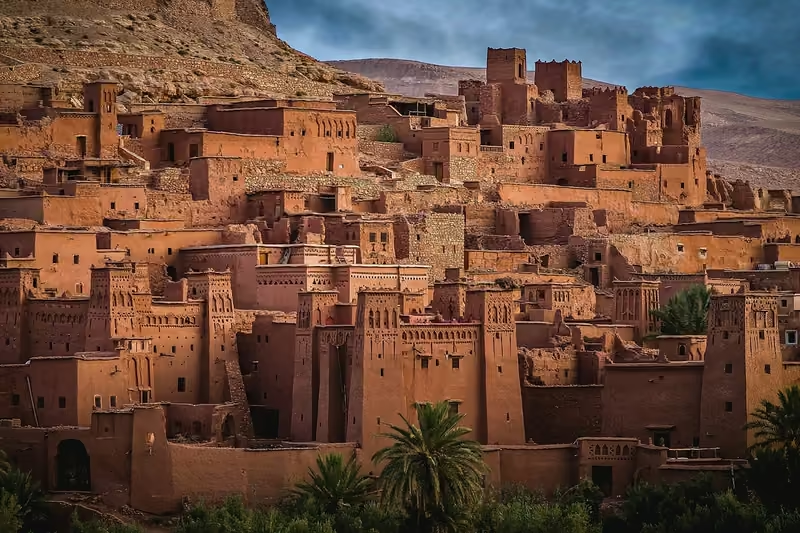 PlaceJerusalemالقدسAlso: Al-Quds, Bayt Al-Maqdis, Al-Aqsa
The holy city of Jews, Christians and Muslims, whose Al-Aqsa Mosque was the first direction of Muslim prayer.
- GroupJewsيهودAlso: Jewish, Judaism, Jewish Law
The Quran honours Jews as People of the Book and descendants of the prophets, and it speaks of them in praise and in criticism.
- JihadجهادAlso: Qital
Striving in the cause of God, which includes the moral struggle, and, under strict rules, defensive fighting.
- JinnجنAlso: Djinn, Genie, Genies
Unseen beings made from smokeless fire, who like humans have free will and can believe or disbelieve.
- Jizyaجزية
A tax paid by non-Muslim adult men under Muslim rule, in return for protection and exemption from military service.
- Jizyahجزية
The tax paid by non-Muslim adult men of means in an Islamic state, in place of the zakat required of Muslims.
- JubbahجبةAlso: Jubba, Jibba
A long, loose outer garment, open at the front, worn over other clothes.
- JudgementحكمAlso: Judging, Last Judgement, Judgment
Judgement in the Quran: God’s judgement on the Last Day, and the duty to judge with justice among people.
- PlaceJudiالجوديAlso: Al-Judi, Mount Judi
The mountain on which the Quran says Noah’s ark came to rest.
- Jumu’ah, al-الجمعةAlso: Al-Jumu'ah, Jumua, Jumah
Friday congregational worship, held at noon with a sermon, and the name of the day itself.
- JusticeعدلAlso: Adl, Just Dealing, Fairness
Fair dealing: the Quran commands justice even toward those one dislikes.
K25Back to top
- PlaceKaabaالكعبةAlso: Ka'bah, Kaabah, Kabah
The cube-shaped House in the Sacred Mosque in Mecca, built by Abraham and Ishmael, toward which Muslims face in prayer.
- KabbaraكبّرAlso: Takbir, Takbeer
To proclaim, in the prayer or otherwise, that God is the Greater: to say Allāhu akbar.
- KafaraكفرAlso: Kufr
To deny in declared words that God is God, that Muhammad is His Prophet, or that the Quran is wholly God’s truth and revelation.
- KafirكافرAlso: Disbelievers, Unbelievers
One who rejects or denies the truth; literally, one who covers it up.
- Kafurكافور
A fragrant, cooling spring in Paradise, named in the Quran (76:5).
- TopicKhabir, al-الخبيرAlso: Al-Khabir, Khabir
A divine name: the All-Aware, who knows the inner reality of all things.
- Khabith, al-الخبيثAlso: Al-Khabith, Khabith, Khabeeth
What is foul and evil: whatever goes against God’s will and is judged bad and wrong.
- Khabithah, al-الخبيثةAlso: Al-Khabithah
The feminine form of khabīth, meaning a deed, word or thing that is foul, impure or bad; its plural is khabāʾith.
- Khalifahخليفة
The vicegerent of God in space and time; the word is also used for the successor who leads the Muslim community.
- GroupKhalifitesAlso: Submitters, Quranists, Rashad Khalifa
A small modern movement following Rashad Khalifa (d. 1990) that accepts only the Quran, and which Muslim scholars regard as outside the mainstream.
- TopicKhaliq, al-الخالقAlso: Al-Khaliq
A divine name meaning the Creator, the One who brings things into being from nothing and gives each its measure.
- GroupKharijitesخوارجAlso: Khawarij, Kharijis, Seceders
An early group who seceded from Ali’s army after Siffin (657), and who held that a Muslim committing a major sin ceases to be a believer.
- KhawfخوفAlso: Fear, Fear Of God
Fear of God in Islam is joined with hope and love, and the Prophet taught that God’s mercy outstrips His wrath.
 EventKhaybarخيبرAlso: Khaibar, Khayba
An oasis north of Medina, where Muslims fought a campaign in 628–629 against a fortified group of the Jewish tribe of Banu Nadir and others.
- Khayrخير
The good, meaning whatever is good in the sight of God, including wealth, deeds, and what leads a person to Him.
- Khazaخزى
To bring shame and disgrace on a person who breaks the commandments of God, in this world and in the next; the verbal noun is khizy.
- Khilafahخلافة
The institution of man as God’s vicegerent on earth, and the government that continued the worldly rule of the Prophet Muhammad (peace be upon him).
- TopicKillingقتلAlso: Murder, Homicide, Retaliation
The Quran forbids killing and says that taking one life unjustly is as if one had killed all of humanity.
- KindnessإحسانAlso: Mercy, Compassion, Rahma
Kindness to parents, kin, neighbours, orphans and the poor, a duty throughout the Quran.
- KitabكتابAlso: Book, Kitab Allah, Kitab Al-Allah
The word for “book” in Arabic, used for the Quran, for earlier scripture and for God’s record of all things.
- Kitab, al-الكتابAlso: Al-Kitab
“The Book”, used in the Quran for the Quran itself; the word also names earlier scriptures and the record of what God has decreed.
- KnowledgeعلمAlso: Learning, Study, Literacy
Seeking knowledge is a duty in Islam, from the first word of revelation, “Read”.
- GroupKubrawiyyaكبرويةAlso: Kubrawi
A Sufi order founded by Najm al-Din Kubra (d. 1221) in Central Asia, which is also found among Muslims in China.
- KufrكفرAlso: Kuffar, Disbelief, Infidel
Disbelief, or ingratitude: literally “covering” the truth, in the heart or in deed.
- Kutubكتب
The scriptures God revealed: the Torah, the Psalms, the Gospel and the Quran.
L4Back to top
- La Hawla wa la Quwwata illa Billahلا حول ولا قوة إلا بالله
“There is no power and no strength except through God”, said when one meets a power greater than oneself.
- La Ilaha illa Allahلا إله إلا الله
“There is no god but God”: the first part of the declaration of faith, said on all occasions.
- La Ilaha illa Allah, La Sharika Lahلا إله إلا الله لا شريك له له الملك وله الحمد وهو على كل شيء قدير
A longer declaration of God’s oneness: no god but God, without partner, to Him belong dominion and praise, and He has power over all things.
- EventLaylat al-Qadrليلة القدرAlso: Night Of Power, Night Of Destiny, Lailat Al-Qadr
The Night of Power in Ramadan, “better than a thousand months”, on which the Quran began to be revealed.
M47Back to top
- Ma’a Salamah Allahمع سلامة الله وبحفظه
“With the safety of God and His protection”: said to a person who is leaving, by those who remain.
- Madhahib al-Khamsah, al-المذاهب الخمسةAlso: Al-Madhahib al-Khamsah
The five schools of Islamic law, each a body of method and rulings built by a founding jurist and his students.
- MahdiمهديAlso: Al-Mahdi
The “guided one” whom many Muslims expect near the end of time to restore justice.
- Makki, al-المكي والمدنيAlso: Al-Makki, Al-Madani
Terms for the Quran’s Meccan and Medinan verses and surahs, those revealed before and after the move to Medina.
- Makruh, al-المكروهAlso: Al-Makruh
In Islamic law, an act that is disliked and discouraged but not forbidden.
- Mandub, al-المندوبAlso: Al-Mandub
In Islamic law, an act that is recommended and rewarded but not required; also called mustaḥabb or sunnah.
- TopicManna and quailsAlso: Herbs, Manna, Quails
The Quran mentions the manna and quails God gave the Israelites in the wilderness, and their asking for herbs and onions instead (2:57, 2:61).
- Mansukh, al-المنسوخAlso: Al-Mansukh
A verse whose ruling has been replaced by a later verse, which is called al-nāsikh.
- Maqasid al-Shari’ahمقاصد الشريعة
The ultimate purposes of Islamic law: the protection of religion, life, reason, honour and property.
- TopicMarriageنكاحAlso: Nikah, Wedlock, Husbands
Marriage is a solemn covenant in Islam, based on mutual consent, a dowry, and mercy between the spouses.
- TopicMartyrdom and the deadشهيدAlso: Dead, Martyr, Shahid
The Quran says that those killed in God’s way are alive with their Lord (3:169).
- Maryamمريم
Mary, mother of Jesus: the only woman named in the Quran, which gives her a chapter.
- Masalih al-Mursalah, al-المصالح المرسلةAlso: Al-Masalih al-Mursalah
Public welfare on which no source gives a ruling, taken by some jurists as a basis of Islamic law.
- Ma Sha’a Allahما شاء الله
“What God has willed”: said on seeing something good or admirable, to credit it to God.
- Mathani, al-المثانيAlso: Al-Mathani
The oft-repeated verses of the Quran, understood as the seven verses of the first surah, al-Fātiḥah.
- Maʿruf, al-المعروفAlso: Al-Maʿruf
What is known to be good, and so is desirable and required of everyone; the opposite of al-munkar.
- PlaceMeccaمكةAlso: Makkah, Bakka, Makka
The holy city of Islam, birthplace of the Prophet and site of the Kaaba.
- EventMi’raj, al-المعراجAlso: Al-Mi'raj
The ascension of the Prophet Muhammad (peace be upon him) through the heavens and his return, which came before the move to Medina.
- Mihrabمحراب
The niche in a mosque wall that shows the direction of Mecca, toward which worshippers pray.
- TopicModesty and dressحياءAlso: Chastity, Charms, Clothing
The Quran asks both men and women to guard their gaze and chastity and to dress modestly.
- PlaceMosqueمسجدAlso: Masjid, Mosques
A place of prostration: the house of prayer, and the centre of community life.
- TopicMothers and childbirthAlso: Childbirth, Mothers
The Quran honours mothers for the hardship of carrying and bearing children.
- Mu’jam, al-المعجمAlso: Al-Mu'jam
A collection of hadith whose items are arranged alphabetically, for example by the names of the Companions or the teachers.
- Mu’minمؤمن
A man who has iman, faith; the plural is muʾminūn.
- Mu’minahمؤمنة
A woman who has iman, faith; the plural is muʾmināt.
- Mubah, al-المباحAlso: Al-Mubah
In Islamic law, an act that is permitted and falls under none of the other categories, carrying neither reward nor blame.
- Mubarakمبارك
The past participle of baraka: blessed, meaning something that God has given increase and good.
- Mubarakمبارك / مبروك
“May it be blessed”: said when someone acquires something new or marks a happy event.
- Muddaththirمدثر
A name of the Prophet Muhammad (peace be upon him), “the one wrapped in his cloak”, with which God addresses him in the Quran (74:1).
- Muflihمفلح
A person who has succeeded in his or her commitment to Islam; the plural is muflihūn.
- Muhajirمهاجر
A person who moves from one place to another for the sake of Islam; the plural is muhājirūn.
- Muhammad, Khatam al-Nabiyyin wa Sayyid al-Mursalinمحمد خاتم النبيين وسيد المرسلين
“Muhammad, the seal of the prophets and the master of the messengers”: a phrase of praise used for the Prophet.
- Muhkam, al-المحكم والمتشابهAlso: Al-Muhkam, Al-Mutashabah
Verses with a clear and precise meaning (muḥkam) and verses that can bear more than one interpretation (mutashābih).
- Muhtadiمهتدي
A person who has received guidance (hudā) from God; the plural is muhtadūn.
- Mujahidمجاهد
A person who practises jihad, that is, who strives in the cause of God; the plural is mujāhidūn.
- TopicMujib, al-المجيبAlso: Al-Mujib
A divine name meaning the One who answers prayer.
- Mukhlisمخلص
The active participle of ikhlāṣ: a person who is sincere in devotion to God; the plural is mukhliṣūn.
- Mukhtalaf al-Hadithمختلف الحديث
The science that studies hadith that seem to conflict, with the aim of reconciling them.
- Munkar, al-المنكرAlso: Al-Munkar
What is wrong and unacceptable, condemned by the sharia and not merely a matter of social custom; the opposite of al-maʿrūf.
- Mushafمصحف
A written copy of the Quran bound between two covers.
- TopicMusic and singingغناءAlso: Drum-Playing, Drums, Music
Muslim scholars have differed about music: some forbid instruments, many allow singing and the frame drum, and Muslim civilisations have produced much music.
- Musnad, al-المسندAlso: Al-Musnad
A collection of hadith arranged by the Companion who reported them, such as the Musnad of Ahmad ibn Hanbal.
- GroupMustad’afun, al-المستضعفونAlso: Al-Mustad'afun, Al-Mustad’afun, Mustadafun
The people regarded as weak, who are exploited and oppressed by the powerful of the earth.
- TopicMustalah al-Hadithمصطلح الحديثAlso: Mustalah al-Hadith, Ulum al-Hadith
The science that studies the method by which hadith are examined, graded and accepted or rejected.
- TopicMustaʿan, al-المستعانAlso: Al-Mustaʿan
A divine name meaning the One whose help is sought, and whose help alone is finally effective.
- MuttaqiمتقيAlso: Muttaqun, Muttaqin, Muttaqoon
One who acts out of taqwa, the conscious fear and awareness of God; the plural is muttaqūn.
- TopicMuzzammil, al-المزملAlso: Al-Muzzammil, Muzzammil
A name of the Prophet Muhammad (peace be upon him), “the one enwrapped”, used by God in the Quran (73:1).
N8Back to top
- Na’imanنعيماAlso: Naiman, Naeeman
“May you be blessed.” It is said to a person who has just bathed, shaved or had a haircut.
- NabiyyنبيAlso: Nabi, Anbiya, Prophet
A prophet: one who receives God’s message word for word, is ordered to convey it, and exemplifies its precepts in his own life; plural anbiyā’.
- TopicNasikh, al-الناسخAlso: Al-Nasikh, Nasikh
The verses of the Quran whose content revokes a ruling or meaning in another verse, which is then called al-mansūkh.
- TopicNasikh al-Hadith wa Mansukhuhuناسخ الحديث ومنسوخهAlso: Nasikh al-Hadith, Nasikh wa Mansukh al-Hadith
The science that studies hadith whose content revokes the meaning of other hadith, or that were themselves revoked by them.
- NaskhنسخAlso: Abrogation
Abrogation: the replacing of one ruling by a later one, as God wills.
- GroupNation of IslamAlso: Elijah Muhammad, Fard, Wallace D., Five Percenters
An American movement founded in the 1930s whose beliefs, including that a man was God in person, are not accepted by mainstream Muslims.
- NazzalaنزلAlso: Nazzal, Nazala
To bring down from heaven to earth, the verb used in the Quran for God’s sending down of revelation.
- TopicNo compulsion in religionAlso: Compulsion In Religion
“There is no compulsion in religion” (2:256): faith cannot be forced.
O1Back to top
- TopicOrphans and guardiansيتيمAlso: Guardians, Orphans, Guardianship
The Quran commands care for orphans and warns against consuming their property (4:10).
P8Back to top
- TopicPagan animal customsAlso: Hami, Saiba, Wasila
The Quran condemns pagan Arab customs of dedicating certain animals to their gods (5:103).
- TopicParablesأمثالAlso: Gnat, Mosquito, Grain
The Quran teaches through similes, including that of a gnat (2:26), a grain that multiplies (2:261) and a spider’s house (29:41).
- TopicParadiseجنةAlso: Garden Of Eden, Eden, Heaven
The garden of the righteous, described in the Quran with gardens, rivers, companions and, above all, God’s good pleasure.
- GroupPeople of the Heightsأصحاب الأعرافAlso: Heights, The Dwellers On The, Araf, Al-Araf
Those on the elevations (al-aʿrāf) between Paradise and Hell on the Day of Judgement (7:46–49).
- TopicPhilosophyفلسفةAlso: Falsafa, Greek Learning
Muslim thinkers translated and developed Greek philosophy and science, and Islamic thought has a long tradition of reasoned enquiry.
- TopicPre-Islamic Arab deitiesأصنامAlso: Goddesses Of The Pagan Arabs, Gods Of Pre-Islamic Arabs By Name, Idols (Names Of)
The idols the Meccans worshipped: al-Lat, al-Uzza and Manat, and Wadd, Suwa, Yaghuth, Yauq and Nasr, named in the Quran.
- TopicPrisoners of warأسرىAlso: Captives, Prisoners
The Quran’s rule for prisoners taken in battle: release them with grace or for ransom (47:4).
- TopicProphetsأنبياءAlso: Prophethood, Messengers, Nabi
Humans chosen by God to deliver His guidance; the Quran names twenty-five and says there were many more.
Q16Back to top
- QadarقدرAlso: Predestination, Fate, Destiny
God’s knowledge and decree of all things, held together with human responsibility for choices.
- QaddaraقدرAlso: Qaddar
To measure, assign and bring about according to plan; also to be able to make something happen.
- QasasقصصAlso: Qasas al-Anbiya
The reports and narratives of those who relate, as in qaṣṣa; in the Quran, accounts of earlier peoples.
- QassaقصAlso: Qassa
To relate reports or matters about earlier times, especially about earlier prophets.
- QiblahقبلةAlso: Qibla, Kibla
The direction of Makkah al-Mukarramah, which Muslims face in salah.
- Qira’atقراءات
The recognised modes of reciting the Quran, taught by an unbroken chain of teachers.
- QisasقصاصAlso: Lex Talionis
The law of equal retribution for killing and injury, with the strong encouragement to forgive or accept compensation.
- TopicQisas, al-القصاصAlso: Al-Qisas, Qisas
The retributive and compensatory punishment prescribed for homicide and for injury to a person.
- QistقسطAlso: Qist
Justice, equity and uprightness in all dealings; the verbal noun of aqsaṭa.
- QiyasقياسAlso: Analogy
Analogical reasoning, by which a ruling in the sources is applied to a new case sharing the same cause.
- TopicQiyas, al-القياسAlso: Al-Qiyas, Qiyas
Reasoning by analogy from the Quran and the Sunnah, as a source of Islamic law.
- Qu’udقعودAlso: Quud, Qu’ud
The act of sitting during the salah.
 BookQur’an Al-Karim, al-القرآن الكريمAlso: Al-Qur'an Al-Karim, Al-Quran Al-Karim, Quran Karim
God’s final revelation to Muhammad (peace be upon him), given in Arabic, memorized and recited from the start, and written in its present form by order of Uthman.
- Quranالقرآن
The recited scripture of Islam, revealed to Muhammad and kept in memory and in writing.
- GroupQurayshقريشAlso: Quraish
The leading tribe of Mecca, guardians of the Kaaba and the tribe of the Prophet.
- GroupQurayzaقريظةAlso: Banu Qurayza
A Jewish tribe of Medina whose siege and judgement in 627 followed their breach of the pact during the Battle of the Trench.
R26Back to top
- TopicRa’uf, al-الرؤوفAlso: Al-Ra'uf, Al-Rauf, Rauf
A divine name: the One who is deeply and sympathetically concerned with the lot of human beings.
- TopicRabbربAlso: Rabbi, Rabbana, Rabb
A divine name: the loving Lord and commanding Master, used in the forms Rabbī (my Lord) and Rabbanā (our Lord) when calling on God.
- Rabbana Hab Lana min Azwajinaربنا هب لنا من أزواجنا وذرياتنا قرة أعين واجعلنا للمتقين إماماAlso: Rabbana Hab Lana
“Our Lord, grant that our spouses and children be a joy to us, and make us leaders of the God-fearing”; said when speaking of spouses or children.
- Rabbi Ishrah li Sadriرب اشرح لي صدري ويسر لي أمري واحلل عقدة من لساني يفقهوا قوليAlso: Rabbi Ishrah Li Sadri
“My Lord, expand my chest and ease my task; loosen the knot in my tongue so that they understand my speech”; said at the opening of a speech.
- TopicRace and skin colourAlso: Black Skin, Racism
The Quran makes colour and language signs of God’s creation, and no ground of superiority (49:13, 30:22).
- RadiyaرضيAlso: Radiya, Rida
To be pleased; used of God’s pleasure with His servants and theirs with Him.
- Radiya Allahu ‘Anhuرضي الله عنه / رضي الله عنهمAlso: Radiyallahu Anhu, RA
“May God be pleased with him (or with them).” It is said whenever a Companion of the Prophet is mentioned by name.
- TopicRahim, al-الرحيمAlso: Al-Rahim, Rahim
A divine name: the One who is always merciful.
- RahimaرحمAlso: Rahima, Rahma
With its derivatives, to consider or act with sympathy and mercy.
- Rahmah Allah ‘Alayhرحمة الله عليه / رحمة الله عليها / رحمة الله عليهمAlso: Rahimahu Allah, Rahmatullah Alayh
“May God’s mercy be upon him (her or them).” It is said whenever a departed Muslim is mentioned by name.
- TopicRahman, al-الرحمنAlso: Al-Rahman, Rahman
A divine name: the Merciful, whose mercy embraces all creation.
- Raka’aركعAlso: Raka’a, Raka
To bow in worship, as required in Islamic worship; the root of rukūʿ and rakʿah.
- TopicRasm al-Qur’ani, al-الرسم القرآنيAlso: Al-Rasm al-Qur'ani, Al-Rasm al-Qurani, Rasm Uthmani
The calligraphy and orthography of the written Quran.
- GroupRass, People of theأصحاب الرسAlso: Ar-Rass, Rass, Al-
A people named twice in the Quran as destroyed after rejecting their prophet; who they were is not known.
- Rasulرسول، مرسلAlso: Mursal, Rasool
Nouns from one root for a person devoted to al-risālah, the commission to convey God’s message.
- TopicRasul, al-الرسولAlso: Al-Rasul
The title of Muhammad (peace be upon him), the Prophet; “the Messenger”.
- TopicRaziq, al-الرازقAlso: Al-Raziq, Raziq, Al-Razzaq
A divine name: the One who grants rizq, the sustenance every creature needs.
- TopicReason and faithعقلAlso: Fideism, Reason, Intellect
Islam does not call for blind belief; the Quran calls on people to reflect, reason and examine claims.
- RibaرباAlso: Interest, Interest On Loans, Usury
Usury: gain taken from a loan at the borrower’s expense, which the Quran forbids.
- TopicRida, al-الرضاAlso: Al-Rida, Rida, Ridwan
The pleasure of God, which believers seek; the noun from raḍiya.
- TopicRijal al-Hadithرجال الحديثAlso: Rijal al-Hadith, Asma al-Rijal
The science that studies the narrators of hadith, in so far as they are narrators.
- RijsرجسAlso: Rijs, Rijss
An evil deed, or a thing that God has prohibited.
- TopicRisalah, al-الرسالةAlso: Al-Risalah, Risalah, Risala
God’s commissioning of a human being to convey and exemplify His message, and the life lived in loyalty to that task.
- TopicRiwayah al-Hadithرواية الحديثAlso: Riwayah al-Hadith, Riwaya
The transmission of hadith: the reporting of the words, deeds, descriptions and attitudes of the Prophet Muhammad (peace be upon him).
- RizqرزقAlso: Rizq, Rizk
What God grants a person out of His material bounty: sustenance, provision and livelihood.
- Ruku’ركوعAlso: Ruku, Rak’ah, Rakah
The bow in the salah; a single unit of the prayer, with its bow, is a rakʿah.
S51Back to top
- TopicSab’atu Ahrufinسبعة أحرفAlso: Sabatu Ahruf, Seven Ahruf
The seven ways, or modes, in which certain words of the Quran were revealed and may be pronounced.
- SabaraصبرAlso: Sabr, Sabara
To resist evil or tragedy and remain firm in adherence to the cause of Islam; the root of ṣabr, patience.
- SabbahaسبّحAlso: Sabbaha, Sabbah, Tasbih
To glorify God and declare Him free of every fault, with praise and thanks for what He has done.
- SabirصابرAlso: Sabir, Sabirun, Sabirin
One who keeps firm against evil and hardship and holds to Islam under pressure; the plural is sabirun.
- PlaceSafa and Marwaالصفا والمروةAlso: As-Safa, Safa, Marwah
Two small hills beside the Kaaba between which pilgrims walk seven times in the Hajj and Umra.
- SahihصحيحAlso: Sahih Bukhari, Sahih Muslim, Sahihayn
“Sound”: the highest grade of a hadith, and the title of the two most trusted hadith collections.
- BookSahih, al-الصحيحAlso: Al-Sahih, Sahih, Sahihayn
A hadith collection whose reports meet strict standards of soundness; the name is given to the two sahihs and to the other four main collections.
- SajadaسجدAlso: Sajada, Sajdah, Sajda
To prostrate in worship of God, with forehead, nose, palms, knees and toes on the ground.
- SakhkharaسخّرAlso: Sakhkhara, Taskhir, Sakhar
To make something subservient to human beings by God’s command, so that they may use it with gratitude.
- SalahصلاةAlso: Salat, Prayer, Namaz
The ritual prayer, performed five times a day, the second pillar of Islam.
- Salah al-Fardصلاة الفرضAlso: Salat al-Fard, Fard Prayer, Obligatory Prayer
The obligatory ritual prayer: the five daily prayers that every adult Muslim must perform; neglecting them without excuse is a sin.
- Salah al-Nafilahصلاة النافلةAlso: Salat al-Nafila, Nafl Prayer, Nafilah
A voluntary ritual prayer offered in addition to the obligatory ones; it earns reward when performed and carries no blame when omitted.
- Salah al-Sunnahصلاة السنّةAlso: Salat al-Sunna, Sunnah Prayer, Sunna Prayer
A ritual prayer that follows the example of the Prophet and is strongly encouraged; Muslims who omit it are not punished but forgo its reward.
- SalamسلامAlso: Salam, Salaam, Peace Of God
Peace; God’s peace, meaning His greeting and blessing, and the greeting that Muslims give one another.
- TopicSalam, al-السلامAlso: Al-Salam, As-Salam, Assalam
A name of God: the Source of peace, safety and blessing, who grants security to His creatures.
- Salihat, al-الصالحاتAlso: Al-Salihat, Salihat, Righteous Deeds
The righteous deeds that God calls on men and women to perform, which earn the reward of Paradise.
- SallaصلّىAlso: Salla, Salat, Sala
To perform the ritual prayer of Islam, which every adult Muslim must offer five times a day at set hours.
- Salla Allahu ‘Alayhi wa Sallamصلى الله عليه وسلمAlso: Sallallahu Alayhi Wasallam, Sallallahu Alaihi Wasallam, SAW
May God bless him and grant him peace: said after the name of the Prophet Muhammad or when he is called the Prophet of God.
- TopicSami’, al-السميعAlso: Al-Sami, As-Sami, Al-Sami'
A name of God: the All-Hearing, who hears every call and responds to those who turn to Him.
- SawmصومAlso: Fasting, Ramadan, Iftar
Fasting from dawn to sunset in Ramadan, one of the five pillars.
- TopicSecret counselsنجوىAlso: Conspiracy
The Quran forbids plotting in secret for sin and enmity, and allows private counsel for good (58:9).
- TopicSelf-defenceدفاعAlso: Defense, Defence, Danger
The Quran allows defence against attack and tells believers to take precautions, within the limits of justice.
- Shaf’aشفعAlso: Shafaʿa, Shafa, Shafaa
To intercede with God on the Day of Judgement, which only those to whom He grants permission may do.
- Shafa’ahشفاعةAlso: Shafaah, Shafaʿa, Shafa'a
Intercession with God: a plea made on behalf of another, which on the Day of Judgement is possible only with God’s permission.
- Shafakum Allah wa ‘Afakumشفاكم الله وعافاكمAlso: Shafakum Allah, Shafakumullah, Shafakallah
May God heal you and grant you well-being: a wish said to a person who is ill, especially when visiting the sick.
- ShahadaشهدAlso: Shahada, Shahida, Shahid
To bear witness that there is no god but God and that Muhammad is His servant and messenger.
- Shahadah, al-الشهادةAlso: Al-Shahadah, Shahadah, Shahada
The declaration of faith, witnessing that there is no god but God and that Muhammad is His servant and messenger; also the words of that declaration.
- TopicShakur, al-الشكورAlso: Al-Shakur, As-Shakur, Shakur
A name of God: the Appreciative, ever worthy of thanks, who rewards even a little good generously.
- Shara’aشرعAlso: Shara'a, Shaaraa, Sharaa
To lay down law: God’s act of legislating for any matter of human life, personal, family or public.
- Shari’ah, al-الشريعةAlso: Al-Shariah, Al-Shari'a, Shariʿa
The whole body of God’s law in Islam: its worship and ritual, its ethics, and its legal rules.
- Shariaشريعة
The path of God: the ethical and legal way set out in the Quran and the Prophet’s example.
- ShirkشركAlso: Deities, Idolatry, Idolaters
Associating partners with God: giving to anything in creation what belongs to God alone.
- TopicShooting stars and the jinnشهبAlso: Communications, Shihab
The Quran says that jinn used to listen at the heavens and now find guards and flames (72:8–9).
- ShuraشورىAlso: Government, Consultation
Mutual consultation in decisions of the community, praised in the Quran (42:38).
- SidqصدقAlso: Sidq, Sadaqa, Truthfulness
Truthfulness and sincerity; the verbal noun of sadaqa, to speak the truth and keep one’s word.
- Siraسيرة
The biography of the Prophet Muhammad, as written by early Muslim historians.
- Sirat, al-الصراطAlso: Al-Sirat, As-Sirat, Sirat Al-Mustaqim
The straight path of righteousness revealed through the Prophet Muhammad for humanity’s guidance, usually joined to al-Mustaqim.
- TopicSlavery and concubinageرقAlso: Concubine, Slavery, Slaves
The Quran regulated an existing institution and urged freeing slaves; Muslim scholars today hold that slavery is forbidden.
- TopicSpoils of warغنيمةAlso: Booty, Anfal, Fay
The Quran’s rules on property taken in war, with a fifth for charity and a rule against its staying among the rich.
- Subhana alladhi Sakhkhara Lana Hadhaسبحان الذي سخّر لنا هذا وما كنا له مقرنينAlso: Subhana Alladhi Sakhkhara Lana, Travel Dua, Dua Of Riding
Glory to Him who has put this at our service, for we could not have managed it ourselves: said on mounting any means of transport.
- Subhana Allahسبحان اللهAlso: Subhanallah, Subhan Allah, Subhanu Allah
Glory be to God: a declaration that God is free of every fault, said in praise or wonder on any occasion.
- Subhana Allah wa bi Hamdihسبحان الله وبحمدهAlso: Subhanallahi Wa Bihamdihi, Subhan Allah Wa Bihamdihi, Subhanallah Wabihamdihi
Glory be to God and praise be to Him: a phrase joining the declaration of His freedom from fault with thanks, said on any occasion.
- SubhanahuسبحانهAlso: Subhanahu, Subhanahu Wa Taala, SWT
Glory be to Him: an invocation that Muslims say or write whenever God is mentioned.
- Subhanahu wa Ta’alaسبحانه وتعالىAlso: Subhanahu Wa Taala, Subhanahu Wata'ala, SWT
Glory be to Him and may He be exalted: said after the name of God, and abbreviated SWT in English texts.
- SufismتصوفAlso: Sufi, Tasawwuf, Tariqa
The inner, devotional dimension of Islam, centred on remembrance of God and purification of the heart.
- SujudسجودAlso: Sujud, Sajdah, Sajda
Prostration in the ritual prayer, with the forehead on the ground; the singular is sajda.
- Sunnahسنة
The Prophet’s example: his way of acting, which Muslims follow beside the Quran.
- Sunnah, al-السنّةAlso: Al-Sunnah, Al-Sunna, Sunna
The path and example of the Prophet Muhammad, made up of what he said, did, approved or condemned.
- Sunnah al-Fi’liyyah, al-السنة الفعليةAlso: Al-Sunnah al-Fiʿliyya, Sunnah Fi'liyyah, Practical Sunnah
The sunna of action: what the Prophet Muhammad did and taught his Companions to do, as Muslims have practised ever since.
- Sunnah al-Qawliyyah, al-السنة القوليةAlso: Al-Sunnah al-Qawliyya, Sunnah Qawliyyah, Verbal Sunnah
The sunna of speech: the sayings of the Prophet Muhammad that lay down guidance for Muslims.
- Sunnah al-Taqririyyah, al-السنة التقريريةAlso: Al-Sunnah al-Taqririyya, Sunnah Taqririyyah, Tacit Sunnah
The sunna of approval: reports that the Prophet approved or disapproved of conduct done in his presence or brought to his notice.
T35Back to top
- Ta’awanu ‘ala al-Birri wal-Taqwaتعاونوا على البر والتقوى ولا تعاونوا على الإثم والعدوانAlso: Taawanu Ala Al-Birr Wa Al-Taqwa, Cooperate In Righteousness And Piety, Wa Ta'awanu Alal Birri Wat Taqwa
Cooperate in goodness and piety, and do not cooperate in sin and aggression: a Quranic command (5:2) used as a rule for joint action.
- Ta’zir, al-التعزيرAlso: Al-Ta'zir, Tazir, Ta’zir
Discretionary punishments that the Islamic judiciary decides as fitting for an offence that has no fixed penalty in the law
- TabaتابAlso: Taba, Tawba, Tawbah
To repent to God for sins and resolve not to repeat them; the verbal noun is tawba.
- Tabaraka Ismu Rabbika dhi al-Jalal wal-Ikramتبارك اسم ربك ذي الجلال والإكرامAlso: Tabaraka Ismu Rabbika, Tabarak Ismu Rabbika Dhil Jalali Wal Ikram
Blessed be the name of your Lord, Lord of majesty and honour: said whenever the name of God is mentioned.
- TabarrajaتبرّجAlso: Tabarraja, Tabarruj, Tabarruj Al-Jahiliyya
To display oneself, one’s beauty or one’s wealth out of vanity; the verbal noun is tabarruj.
- TabattalaتبتّلAlso: Tabattala, Tabattul, Tabtil
To devote oneself wholly to God, in purity and single-minded worship; the noun is tabtil.
- GroupTabi’, al-التابعAlso: Al-Tabi, At-Tabi, Tabi
A follower: a Muslim of the generation after the Companions who met and learned from them; the plural is al-tabiun.
- Tafsirتفسير
Commentary on the Quran: explaining what its verses mean and how they were understood.
- BookTafsir al-Jalalaynتفسير الجلالينAlso: Jalalan, Al-Jalalan, Jalalayn
A short commentary on the whole Quran, written by two scholars both named Jalal al-Din.
- Tafsir bil-Ma’thur, al-التفسير بالمأثورAlso: Al-Tafsir bi-l-Mathur, Tafsir Bil Mathur, Tafsir Bi al-Ma'thur
Interpretation of the Quran by transmitted material: other Quranic verses, the Prophet’s sayings, and the words of the Companions and their followers.
- Tafsir bil-Ra’y, al-التفسير بالرأيAlso: Al-Tafsir bil-Ra'y, Tafsir bi’l-Ray, Tafsir bi al-Ray
Interpretation of the Quran by the free exercise of the interpreter’s own reasoning, as distinct from interpretation handed down from the Prophet and earlier generations
- Taghaطغى
To exceed all limits by seizing illegitimate power or by enforcing rules that violate the Shariah
- Taghammada Allah al-Faqid bi Rahmatihتغمد الله الفقيد برحمته وأسكنه جنته وألهمكم الصبر والعزاء
A condolence to the bereaved: may Allah cover the departed with His mercy, house him in Paradise, and grant you patience and consolation
- Taghiyahطاغية
Noun from the verb tagha, naming the overstepping of all limits and used for a tyrant; the plural is tughah
- Taharahطهارة
The state of purity, and the body of law on ritual and physical cleanliness and the means of attaining it
- TahrifتحريفAlso: Corruption Of The Bible
The Quranic charge that some of the earlier scriptures were altered or misread by their custodians.
- TakfirتكفيرAlso: Excommunication
Declaring another Muslim to be an unbeliever, which classical scholars treated with extreme caution.
- TalaتلاAlso: Tilawah
To recite the Quran; the verbal noun is tilawah
- Tanzilتنزيل
Any message that God has sent down to humanity through the prophets; the verbal noun of nazzala, to send down
- Tanzil, al-التنزيلAlso: Al-Tanzil
The message sent down through Muhammad (peace be upon him), that is, the noble Quran
- Taqiyyaتقية
Concealing one’s belief to escape persecution or grave harm; a concession, not a licence to deceive.
- Taqwaتقوى
God-consciousness: living mindful of God, as one who guards oneself against wrongdoing.
- Tartilترتيل وتجويدAlso: Tajwid, Tartil, Tajweed
Measured, melodious recitation of the Quran, carried out according to the rules of pronunciation known as tajwid
- TaskhirتسخيرAlso: Taskheer
The act of subjecting or subduing; the verbal noun of sakhkhara, used of Allah making nature serviceable to human beings
- TaslimتسليمAlso: Tasleem
The closing of the salah with the greeting of peace, al-salamu alaykum wa rahmat Allah, said to the right and then to the left
- TawafطوافAlso: Tawwaf
The rite of circling the Kaaba seven times, anticlockwise, performed in the Hajj and the Umrah
- TawakkulتوكلAlso: Tawakul
Absolute confidence that Allah is the cause of all that is or will be, together with reliance upon Him as such
- Tawhidتوحيد
The oneness of God: one Creator and Sustainer, to whom worship belongs alone.
- TopicTawwab, al-التوابAlso: Al-Tawwab, Tawwab
A divine name: He Who accepts repentance again and again, and Himself turns to His servants in mercy
- TaʿalaتعالىAlso: Taala, Ta'ala, Tala
To be exalted above all things, which only God can be; used after His name to affirm His transcendence.
- GroupThamud and SalihثمودAlso: Thamud, Salih, Hijr
The people of the prophet Salih in the north of Arabia, destroyed after they killed the she-camel; their rock-cut tombs are at al-Hijr (Hegra).
- ThawabثوابAlso: Sawab
The reward that Allah grants for good deeds, above all on the Day of Judgement
- EventThe ElephantالفيلAlso: Elephant, Year Of The Elephant, Abraha
Chapter 105 refers to an attack on Mecca by an army with elephants, in the year the Prophet was born.
- TopicTrade and businessتجارةAlso: Business, Honest Dealing, Contracts
The Quran requires honest weights, written contracts and fair dealing in trade.
- EventTrench, Battle of theالخندقAlso: Clans, Battle Of The, Ahzab, Khandaq
The siege of Medina in 627 by Quraysh and allied clans, which the Muslims withstood behind a trench.
U6Back to top
- Ummahأمة
The community of Muslims, united by faith across nations and cultures.
- UmmiأميAlso: Gentiles, Ummiyyin, Illiterate, Muhammad
The Prophet is called ummī, “unlettered”, and the Quran uses ummiyyūn for the unlettered and for gentiles.
- UmrahعمرةAlso: Lesser Pilgrimage
The lesser pilgrimage, which can be made at any time of year.
- Usul al-Fiqhأصول الفقهAlso: Usul al-Fiqh, Usool al-Fiqh
The sources of Islamic law: the Quran, the Sunnah, consensus and analogy, together with the principles for using them
- Usul Fiqhأصول فقهAlso: Usul-i Fiqh
Islamic jurisprudence: the method of deriving laws from the sources of Islam and of establishing their juristic validity
- Uswah Hasanahأسوة حسنةAlso: Uswa Hasana
The good and normative example of the Prophet (peace be upon him), whose conduct makes up the sunnah
W13Back to top
- Wa ‘Alaykum al-Salam wa Rahmah Allah wa Barakatuhوعليكم السلام ورحمة الله وبركاته
And upon you be peace, and the mercy of Allah and His blessings; the full reply to the greeting of peace
- Wa’d, al-الوعدAlso: Al-Wa'd, Wad
The divine promise of reward for good deeds; it is Allah’s part of the covenant (ʿahd, mithaq) between Him and humanity
- Wa’id, al-الوعيدAlso: Al-Wa'id, Waeed
The divine promise of punishment for evil deeds; it is part of Allah’s covenant (ʿahd, mithaq) with humanity
- Wa Akhiru Da’wana anna al-Hamda Lillahi Rabb al-‘Alaminوآخر دعوانا أن الحمد لله رب العالمين
Our final word is that all praise belongs to Allah, Lord of the worlds; said at the end of a speech, a meeting or any undertaking
- WahyوحيAlso: Ilham, Inspiration, Revelation
Revelation: God’s communication to His prophets.
- Wahy, al-الوحيAlso: Al-Wahy, Wahy
Revelation: the verbatim communication of a verse or more from Allah to the Prophet, as in the case of the noble Quran
- Wa I’tasimu bi Habl Allahi Jami’anواعتصموا بحبل الله جميعا ولا تفرقوا
Hold fast, all together, to the rope of Allah and do not separate (Quran 3:103); a call to Muslim unity
- WajhوجهAlso: Wajh Allah
Face, or by extension direction, aspect or path; said of Allah it means His Face, or His sake
- Wajib, al-الواجبAlso: Al-Wajib, Wajib, Fard
The obligatory: a law or deed that the law requires, rewarded when done and punishable when left without excuse
- WaliوليAlso: Awliya, Saint, Friend Of God
A “friend” or protector; and the title of a righteous person close to God.
- WaliyyوليّAlso: Wali Allah, Awliya
Friend, ally or protector; used of one close to Allah and often rendered saint, with the plural awliya
- TopicWater cycleماءAlso: Hydrology, Rain, Water
The Quran speaks of rain as God’s sign, which gives life to dead land.
- WuqufوقوفAlso: Qiyam
Standing upright in the salah; the same word names the standing at Arafat in the Hajj
Y3Back to top
- Ya Arham al-Rahiminيا أرحم الراحمينAlso: Ya Arham ar-Rahimin
O Most Merciful of those who show mercy; said in any need of help
- TopicYaqinيقينAlso: Yaqeen
Certainty about the truth of Islam and its claims, needing no further proof
- YusrيسرAlso: Yusr and Usr
That which is possible without hardship; ease
Z6Back to top
- TopicZahir, al-الظاهرAlso: Al-Zahir, Zahir
A divine name: He Who is manifest, evident through all phenomena
- Zakatزكاة
Obligatory almsgiving: a fixed share of one’s savings, given to those in need each year.
- ZalimظالمAlso: Zalimun, Dhalim
One who commits injustice (zulm): a wrongdoer or oppressor; the plural is zalimun
- ZannظنAlso: Zan, Dhann
Doubt, suspicion or conjecture in the weightier matters of religion and ethics; the opposite of iman and yaqin
- ZinahزينةAlso: Zeenah
Adornment: a thing or act of beautification regarded as a source of enjoyment
- ZulmظلمAlso: Dhulm, Zulm
The act of committing injustice; wrongdoing, which puts something where it does not belong
People
A39Back to top
 ProphetAaronهارونAlso: Harun
Moses’ brother and a prophet in the Quran, who stood by him before Pharaoh.
 PersonAbbas ibn Abd al-MuttalibالعباسAlso: Abbas
An uncle of the Prophet and a Companion, ancestor of the Abbasid caliphs.
- PersonAbdullah ibn Abd al-MuttalibAlso: Abdullah
The Prophet’s father, who died before he was born.
 PersonAbdullah ibn Amr ibn al-Asعبد الله بن عمرو بن العاص
A Companion who wrote down the Prophet’s sayings in his lifetime.
 PersonAbdullah ibn Sa’dعبد الله بن سعد
A scribe of revelation who later left Islam and returned, and became governor of Egypt.
- PersonAbdullah ibn Ubayyعبد الله بن أبي
A leading man of Medina, known as the chief of the hypocrites, whom the Prophet treated with restraint.
- PersonAbdul Muttalibعبد المطلب
The Prophet’s grandfather, who cared for him after his mother’s death.
- PersonAbdul Qadir al-Jilaniعبد القادر الجيلاني
A twelfth-century preacher and jurist of Baghdad, from whom the Qadiri Sufi order takes its name.
 PersonAbdul Rahman ibn Awfعبد الرحمن بن عوف
A wealthy early Companion, one of the ten promised Paradise, known for honest trade and generosity.
- ProphetAbelهابيلAlso: Habil, Cain, Cain And Abel
The son of Adam who was killed by his brother, in the Quran’s story of the first murder.
 ProphetAbrahamإبراهيمAlso: Ibrahim
The friend of God and father of prophets, honoured by Muslims, Jews and Christians.
 PersonAbu Bakrأبو بكرAlso: Bakr, Abu, Abu Bakr Al-Siddiq
The Prophet’s closest friend and the first caliph (632–634).
 PersonAbu Dawudأبو داودAlso: Da'ud, Abu, Sunan Abi Dawud
Sulayman ibn al-Ash’ath al-Sijistani (817–889), compiler of the Sunan, one of the six canonical collections of hadith.
- PersonAbu Dharrأبو ذرAlso: Dharr, Abu, Abu Dharr Al-Ghifari
A Companion from the tribe of Ghifar, known for his asceticism and for his stand against hoarding of wealth.
- PersonAbu Hanifaأبو حنيفةAlso: Hanifah, Abu, Abu Hanifah, Hanafi
Al-Nu’man ibn Thabit (699–767), the jurist of Kufa from whom the Hanafi school, the largest of the four Sunni schools, takes its name.
- PersonAbu Hurayraأبو هريرةAlso: Huraira, Abu, Abu Huraira
A Companion who narrated more hadith than any other, and was a close companion of the Prophet for his last years.
- PersonAbu Jahlأبو جهلAlso: Amr Ibn Hisham, Abu Jahl
A leader of Quraysh and a bitter enemy of the Prophet, killed at Badr.
- PersonAbu Muslim al-Khurasaniأبو مسلم الخراسانيAlso: Abu Muslim
The leader of the movement in Khorasan that brought the Abbasids to power.
- PersonAbu Sufyanأبو سفيانAlso: Abu Sufyan Ibn Harb
A leader of Quraysh who fought the Muslims for years, then accepted Islam at the conquest of Mecca.
- PersonAbu Talibأبو طالبAlso: Abu Talib Ibn Abd Al-Muttalib
The Prophet’s uncle, who raised him after his grandfather’s death and protected him from Quraysh.
 ProphetAdamآدمAlso: Fall, Fall Of Man
The first human being and, in Islam, the first prophet.
- PersonAhmadأحمد ، محمودAlso: Mahmud, Ahmed
Two names of the Prophet Muhammad (peace be upon him), meaning the praiseworthy and the praised, for his virtue and righteousness.
- PersonAisha bint Abi BakrعائشةAlso: Aisha, Aisha Bint Abu Bakr
The Prophet’s wife and a scholar of the first generation, one of the major narrators of hadith.
- PersonAl-GhazaliالغزاليAlso: Ghazali, Al-, Ghazali
Abu Hamid al-Ghazali (1058–1111), the theologian, jurist and Sufi, author of The Revival of the Religious Sciences.
- PersonAl-HallajالحلاجAlso: Hallaj, Al-, Mansur Al-Hallaj
A Sufi of Baghdad (c. 858–922), executed for saying “I am the Truth”, whom some Muslims honour as a martyr and others as a heretic.
- PersonAl-KalbiالكلبيAlso: Hisham Ibn Al-Kalbi, Book Of Idols, Kitab Al-Asnam
A scholar of Kufa (d. around 819) who wrote on Arab genealogy and on pre-Islamic religion, including The Book of Idols.
- PersonAl-KindiالكنديAlso: Abd Al-Masih Al-Kindi, Apology Of Al-Kindi
Two figures: the philosopher Yaqub al-Kindi (d. around 873), and the author of a debated Christian apology.
- PersonAlexander the GreatAlso: Dhu al-Qarnayn, Dhu'L-Qarneyn
Muslim tradition has often identified him with Dhu al-Qarnayn, but the Quran does not name him.
- PersonAli ibn Abi Talibعلي بن أبي طالبAlso: Ali, Ali B. Abi Talib
The Prophet’s cousin and son-in-law, and the fourth of the rightly guided caliphs.
- PersonAminahآمنة
The Prophet’s mother, who died when he was six.
- PersonAntarعنترةAlso: Antarah
A pre-Islamic poet-warrior and the hero of an Arab epic.
- PersonArafat, Yasser
A Palestinian political leader (d. 2004); an entry in the source index, not a religious authority.
- PersonArius
A fourth-century priest of Alexandria who taught that the Son was created, and was condemned at Nicaea.
- PersonArmstrong, Neil
The American astronaut. A story that he heard the call to prayer on the moon and became a Muslim is a legend with no support.
- PersonArthur JefferyAlso: Jeffery, Arthur
A twentieth-century Orientalist (1892–1959) who studied the early texts and the foreign words of the Quran.
- PersonAsh’ari, al-الأشعريAlso: Ash'Ari
Abu al-Hasan al-Ash’ari (d. 935), founder of the school of theology that most Sunnis follow.
- PersonAsiyaآسية
The wife of Pharaoh, praised in the Quran as a model of faith, who raised Moses.
- PersonAzarآزر
The name the Quran gives to Abraham’s father (6:74), and the Bible’s Terah.
- PersonAzrailعزرائيلAlso: 'Azra'Il, Angel of Death
The angel of death, whose name comes from later tradition and not from the Quran or the sound hadith.
B13Back to top
- PersonBaba Rode Shah
A holy man of Punjabi folklore, whose stories belong to local tradition and not to Islamic teaching.
- PersonBadawi, Jamal
A Canadian Muslim scholar and teacher, born in Egypt, known for English-language presentations of Islam.
- PersonBahiraبحيرى
A Christian monk whom the young Muhammad is said to have met on a trading journey to Syria.
- PersonBalaamبلعمAlso: Bal'am
The Biblical seer whom some commentators identify with the man described in Quran 7:175–176.
- PersonBarnabasAlso: Gospel Of Barnabas
A companion of Paul in Acts; a late “Gospel of Barnabas” in which Muhammad is foretold is not an early text.
- PersonBarton, James L.
An American missionary and writer (1855–1936) who wrote on Islam and documented the Armenian massacres.
- PersonBaydawi, al-البيضاويAlso: Baidawi, Al-
A thirteenth-century Shafi’i scholar of Shiraz, author of a widely-read short commentary on the Quran.
- PersonBilalبلالAlso: Bilal Ibn Rabah
A former slave from Abyssinia who became the first muezzin of Islam.
- PersonBin Baz, Abd al-AzizAlso: Bin Baz, Sheikh
A Saudi scholar (1910–1999) who was Grand Mufti of Saudi Arabia from 1993.
- PersonBotros, ZakariaAlso: Zakaria Boutros
A Coptic priest known for satellite television programmes in Arabic that are critical of Islam.
- PersonBucaille, Maurice
A French surgeon (1920–1998) who wrote a popular book arguing that the Quran agrees with modern science.
- PersonBukhari, al-البخاريAlso: Bukhari
Muhammad ibn Ismail al-Bukhari (810–870), compiler of Sahih al-Bukhari, the most respected hadith collection.
- PersonBulleh ShahAlso: Bulleh
A Punjabi Sufi poet (1680–1758), whose verse on divine love is sung across South Asia.
C1Back to top
- PersonCaetani, Leone
An Italian scholar (1869–1935) whose Annali dell’Islam collected the early Muslim sources in order.
D4Back to top
 ProphetDavidداودAlso: Daud, Dawood, Dawud
King David, honoured in the Quran as a prophet and king to whom God gave the Psalms.
- PersonDeedat, Ahmad
A South African teacher of Indian origin (1918–2005) known for debates and writings on Muslim-Christian questions.
- ProphetDhu al-Kiflذو الكفلAlso: Dhu'L-Kifl, Dhulkifl
A prophet named in the Quran among the steadfast (21:85, 38:48), whose identity is not given.
- PersonDu Wenxiu
A Hui Muslim leader (1823–1872) who led the Panthay rebellion against the Qing in Yunnan, and ruled from Dali as “Sultan Sulayman”.
E8Back to top
- PersonEhrman, Bart
An American scholar of the New Testament (b. 1955), whose books on its manuscripts are often cited in Muslim-Christian argument.
- ProphetElijahإلياسAlso: Elias, Ilyas
Elijah, a prophet of Israel who the Quran says called his people from Baal to God.
- ProphetElishaاليسعAlso: Alyasa, Al-Yasa
Elisha, a prophet named among the righteous (6:86, 38:48).
- PersonEsposito, John L.
An American scholar of Islam at Georgetown University, a leading writer and commentator, whom some criticise and others admire.
- PersonEusebius
Bishop of Caesarea (c. 260–340), author of the first history of the Church.
- PersonEveحواءAlso: Hawwa, Wife Of Adam
Adam’s wife, who in the Quran shares Adam’s mistake and his repentance.
 ProphetEzekielحزقيلAlso: Hizqil
A prophet of Israel; some commentators link the Quran’s story of the thousands who left their homes and were revived (2:243) with his vision.
- PersonEzraعزيرAlso: Uzair, Uzayr
The Quran says “the Jews say Uzayr is the son of God” (9:30); Muslim commentators relate this to a particular group.
F1Back to top
- PersonFatimaفاطمةAlso: Fatima Bint Muhammad, Zahra
The Prophet’s youngest daughter, wife of Ali and mother of Hasan and Husayn.
G4Back to top
- ProphetGabrielجبريلAlso: Jibril, Angel Gabriel, Holy Spirit
The angel who brings God’s revelation to the prophets; Muslims believe he brought the Quran to Muhammad.
- PersonGeiger, Abraham
A German rabbi (1810–1874), founder of Reform Judaism, who wrote in 1833 that the Quran drew on Jewish sources.
- PersonGoitein, S. D.
A Jewish historian (1900–1985) of the Cairo Geniza, author of A Mediterranean Society, a record of the medieval Jewish and Muslim world.
- PersonGoliath and TalutجالوتAlso: Goliath, Talut, Saul
The Quran’s story of David’s defeat of Goliath, in the kingship of Talut (Saul).
H14Back to top
- PersonHafsaحفصةAlso: Hafsah
A wife of the Prophet, daughter of Umar, who kept the first written collection of the Quran.
- PersonHaj Amin al-Husseini and the HandscharAlso: Handschar, Handjar, Husseini, Mufti Haj Amin El-
A Palestinian leader who collaborated with the Nazis; the SS Handschar division was a small part of the Muslims who fought in the war.
- PersonHajarهاجرAlso: Hagar, Hajar, Ajar
Hagar, mother of Ishmael, whose search for water for her son is remembered in the rite of Safa and Marwa.
- PersonHamanهامان
Pharaoh’s minister in the Quran, whom Pharaoh tells to build a tower (28:38).
- PersonHamzaحمزةAlso: Hamza Ibn Abd Al-Muttalib
The Prophet’s uncle and foster-brother, called “the Lion of God”, killed at Uhud in 625.
- PersonHarpur, Tom
A Canadian religious journalist and author whose books argue against traditional Christianity; some Muslim writers cite him.
- PersonHarut and Marutهاروت وماروتAlso: Harut (Harat) And Marut, Harut
Two figures named in the Quran as teaching magic at Babylon as a test (2:102); Muslim scholars reject the later story that they were fallen angels.
- PersonHasan ibn AliالحسنAlso: Hasan B. Ali. B. Abi Talib, Al-Hasan
The Prophet’s elder grandson (625–670), who made peace with Muawiya to end the civil war.
- PersonHassan ibn Thabitحسان بن ثابتAlso: Hassan B. Thabit
The Prophet’s poet, who answered the satires of the Quraysh in verse.
- PersonHeracliusهرقل
The Byzantine emperor (610–641), who according to Muslim sources received a letter from the Prophet inviting him to Islam.
- PersonHitler, Adolf
A name that comes up in polemics between Muslims and Christians; Islam judges deeds and not labels.
- ProphetHudهود
The prophet sent to the people of ʿĀd (7:65–72, 11:50–60), who rejected him.
- PersonHunayn ibn Ishaqحنين بن إسحاقAlso: Hunain
A Nestorian Christian physician (809–873) who led the translation of Greek works into Arabic for the Abbasid court.
- PersonHusayn ibn AliالحسينAlso: Husain B. Ali. B. Abi Talib, Karbala, Ashura
The Prophet’s younger grandson (626–680), killed at Karbala, whose death Muslims regard as a great crime.
I10Back to top
- PersonIbn Abbasابن عباسAlso: Abdullah Ibn Abbas, Abdullah Bin Abbas
A cousin of the Prophet (d. around 687) who became one of the great early scholars of Quranic interpretation.
- PersonIbn Ishaqابن إسحاقAlso: Muhammad Ibn Ishaq, Sirat Rasul Allah, Ibn Hisham
The earliest major biographer of the Prophet (d. around 767), whose work survives mainly in Ibn Hisham’s edition.
- PersonIbn Umm Maktumابن أم مكتومAlso: Abdullah Ibn Umm Maktum
A blind Companion of the Prophet who served as a muezzin and as his deputy in Medina.
- PersonIbrahim ibn MuhammadإبراهيمAlso: Ibrahim B. Muhammad
The infant son of the Prophet and Mariya, who died at about eighteen months.
- ProphetIdrisإدريسAlso: Enoch
A prophet the Quran describes as truthful and raised to a high station.
- PersonImranعمرانAlso: 'Imran, Family of Imran, Aal Imran
The name of the family of Mary, whom the Quran says God chose, and after which the third surah is named.
- PersonImru al-Qaisامرؤ القيسAlso: Imru-Ul-Quais, Amrulkais, Muallaqat
A prince of the Kinda tribe in the sixth century, usually reckoned the greatest of the pre-Islamic poets.
- ProphetIsaacإسحاقAlso: Ishaq, Ishak
Son of Abraham and Sarah and father of Jacob, named as a prophet in the Quran.
- ProphetIshmaelإسماعيلAlso: Ismail, Isma'il
Son of Abraham and Hagar, a prophet and messenger who helped his father raise the Kaaba.
 PersonIsma’il Raji al Faruqiإسماعيل راجي الفاروقيAlso: Ismail Raji al Faruqi, Isma'il al Faruqi, Ismail al Faruqi
Palestinian-American scholar of Islam and comparative religion (1921–1986), professor at Temple University, and a principal source for this site’s Glossary.
J8Back to top
- PersonJabrجبرAlso: Jubra, Jabr, Tutor Of Muhammad
A Christian craftsman of Mecca whom opponents claimed taught the Prophet, a charge the Quran answers.
- ProphetJacobيعقوبAlso: Yaqub, Yakob
Son of Isaac and father of Joseph, a prophet whose patience in grief the Quran praises.
- PersonJafar al-Sadiqجعفر الصادقAlso: Ja'far B. Muhammad, Jafar As-Sadiq, Ja'far B. Muhammad B. Ali. B. Al-Husayn, Al-Sadiq, Abu Abd Allah
A great scholar of Medina (d. 765), a descendant of the Prophet and a teacher admired by Muslims of every school.
- ProphetJobأيوبAlso: Ayub, Ayyub
A prophet who is held up as the model of patience in affliction.
- PersonJohn of DamascusAlso: Yuhanna Al-Dimashqi
An eighth-century Christian theologian (d. around 749) who wrote one of the first Christian descriptions of Islam.
- ProphetJonahيونسAlso: Yunus, Dhul-Nun, Dhun-Nun
The prophet swallowed by a fish, who called out in the darkness and was saved; the tenth surah is named for him.
 ProphetJosephيوسفAlso: Yusuf
Son of Jacob, whose story, told in surah 12, the Quran calls “the best of stories”.
- PersonJunayd al-BaghdadiالجنيدAlso: Al-Junayd, Junayd
A Baghdad scholar and Sufi (d. 910) known as “the master of the group”, who kept the Sufi path in line with the law.
K2Back to top
- PersonKhadijaخديجةAlso: Khadijah, Khadija Bint Khuwaylid, Khadija Bint Khuwailid
The first wife of the Prophet and the first person to accept Islam.
- PersonKhidrالخضرAlso: Green One, Khadir, Khidhr
A servant of God, named in the Quran only as one of “Our servants” (18:65), whose journey with Moses is told in chapter 18.
M3Back to top
- PersonMariya al-Qibtiyyaمارية القبطيةAlso: Mariya, Maria The Copt
An Egyptian Christian woman sent as a gift by the ruler of Egypt, and the mother of the Prophet’s son Ibrahim.
- ProphetMosesموسىAlso: Musa
The prophet most often named in the Quran, to whom God spoke and gave the Torah.
- ProphetMuhammadمحمدAlso: Prophet Muhammad, Mohammed, The Prophet
The final prophet of Islam (570–632), to whom the Quran was revealed.
N1Back to top
- ProphetNoahنوحAlso: Nuh, Flood, Deluge
Noah, the prophet who called his people for 950 years and was saved from the flood in the ark.
P1Back to top
- PersonPharaohفرعونAlso: Fir'awn, Firaun
The king of Egypt who opposed Moses, a figure of tyranny and pride in the Quran.
Q1Back to top
- PersonQarunقارونAlso: Korah, Karun
A man of Moses’ people whom the Quran gives as the example of wealth that leads to arrogance.
S3Back to top
- PersonSalman al-Farisiسلمان الفارسيAlso: Salman The Persian
A Persian Companion who is said to have advised digging the trench around Medina.
- ProphetShuayb and MidianشعيبAlso: Midian, Madyan, Dwellers In The Woods
Shuayb, the prophet of Midian, sent to a people who cheated in trade; the “Companions of the Thicket” are linked to them.
- ProphetSolomonسليمانAlso: Sulayman, Builders, Divers
Solomon, son of David, honoured in the Quran as a prophet-king with power over the winds, the jinn and the birds.
U1Back to top
- PersonUmar ibn al-Khattabعمر بن الخطابAlso: Umar, Omar, Al-Faruq
The second caliph (r. 634–644), known for justice, who expanded the state from Egypt to Persia.
Y1Back to top
- ProphetYahyaيحيىAlso: John The Baptist, John, Yuhanna
John the Baptist, the son of Zechariah, whom the Quran praises as a prophet, noble and chaste.
Z1Back to top
- ProphetZakariyyaزكرياAlso: Zechariah, Zacharias, Zakaria
A prophet and the father of Yahya (John), who prayed for an heir in his old age.
Nothing matches. Try another spelling, or clear the filters.