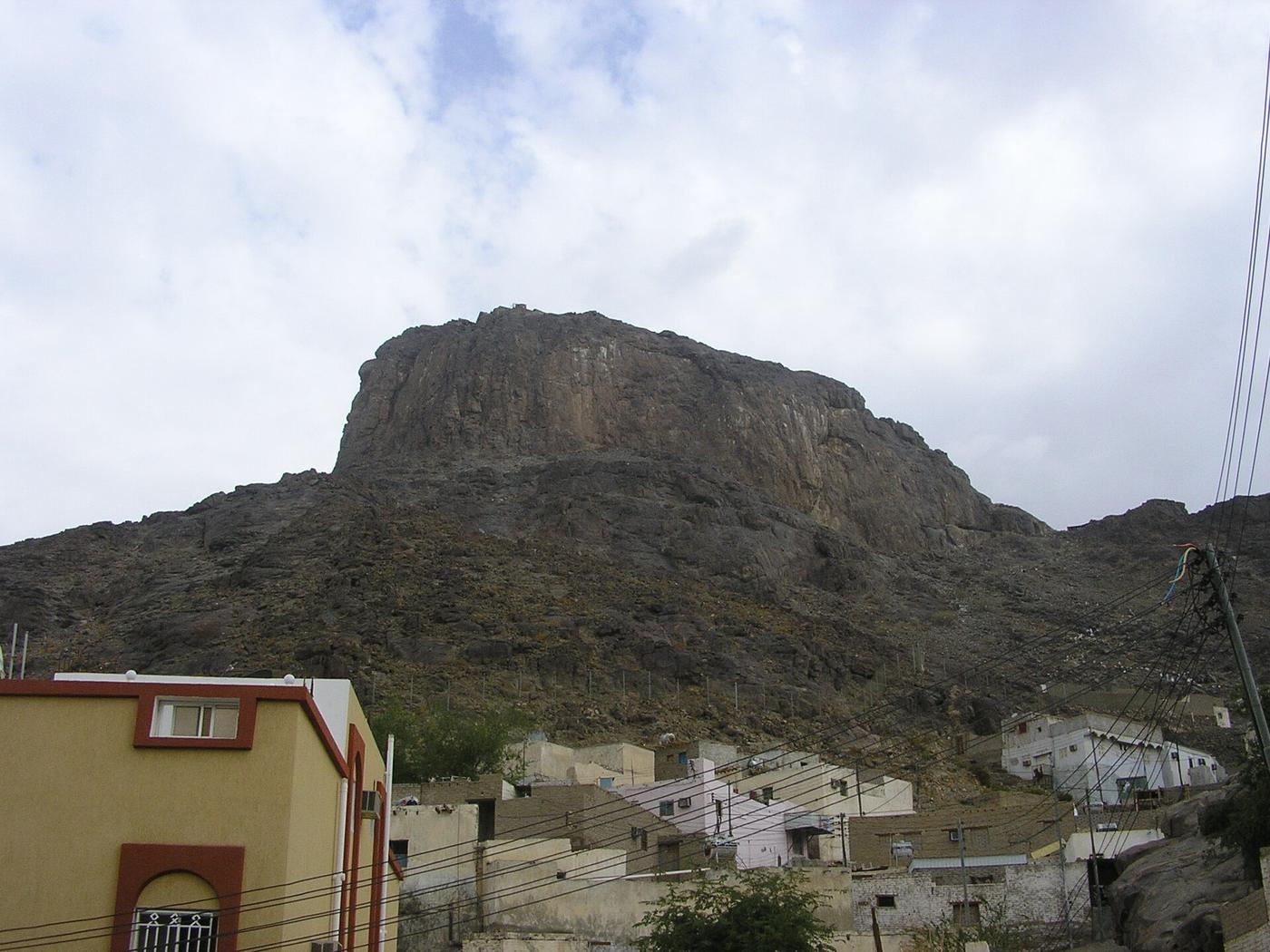
The challenge: Muhammad (peace be upon him) was alone in the cave. Nobody saw an angel. Muslims demand evidence for the resurrection of Jesus, so where is the evidence for Gabriel, the angel Muslims say brought him the Quran?
It is a fair question, and it applies to every revelation anyone has ever claimed. The four answers below look at the pattern of prophetic calls in the Bible, at what Islam offers as its evidence, at what the sources say about the people around the Prophet, and at the difference between the two kinds of claim being compared.
Number 1: Every prophet's call is private
Moses at the burning bush was alone. Isaiah’s vision in the temple was his own. Paul on the road to Damascus saw a light his companions did not understand. No prophetic call in the Bible comes with an audience.[1]
A standard that disqualifies Muhammad for having no witness in the cave disqualifies them all. Christians who apply it only to one man are not applying a standard.
The strongest form of the objection says that the Bible reports more than one source for each call: Moses had signs and later an assembled people, and Paul had travelling companions who shared part of the experience. The reply is that the companions in Paul’s case are reported as hearing a sound or seeing a light without understanding it, which leaves the substance of the call with Paul alone. Every call has a private core, and what follows it, the message and the life of the one called, is what others weigh. The same test applies to Muhammad.
Number 2: The evidence was always meant to be the message
Islam rests its case on the message. The Quran offers itself as the evidence, and challenges its hearers to produce anything like it.[2] The argument is about the text you can read, the man’s character, and what followed. You can reject that argument. It is the one Islam makes.

The Quran records that the Prophet’s opponents asked for other signs, such as an angel sent down for all to see, and that the reply points back to the book itself: is it not enough that the Book is recited to them?[3] The character argument has a Quranic form too. Muhammad is told to remind his hearers that he had lived among them a lifetime before the revelation came, and to ask whether they would not reason.[4] The sources add that Meccans knew him as al-Amin, the trustworthy, before he claimed anything.
A sceptic may say that a book proves only that someone wrote a book. That is the point at which the challenge is meant to be tested, and the Quran invites the test in its own words.
Number 3: The companions report seeing Gabriel in human form
The well-known hadith of Gabriel (a hadith is a report of the Prophet’s words and deeds) describes a stranger in white, with no sign of travel on him, who sat before the Prophet and asked about Islam, faith and excellence, in front of the companions. After he left, the Prophet told them it was Gabriel, come to teach them their religion.[5]
That is a report, and the critic will reject the chain. It still answers the question asked: according to the sources, people did see him. The report comes from Umar, one of the men present, and it stands in Sahih Muslim, one of the two collections of hadith that Muslim scholars rank highest for authenticity. Other reports, in Sahih al-Bukhari and Sahih Muslim, have companions seeing Gabriel in the form of a man named Dihya al-Kalbi.[6] The Quran itself speaks of the Prophet seeing the messenger on the clear horizon.[7]
Number 4: The man in the cave did not behave like a fabricator
The sources say Muhammad came down from Hira terrified, asked to be covered, and feared for himself.[8] His wife reassured him, and he was taken to a Christian relative to ask what had happened.
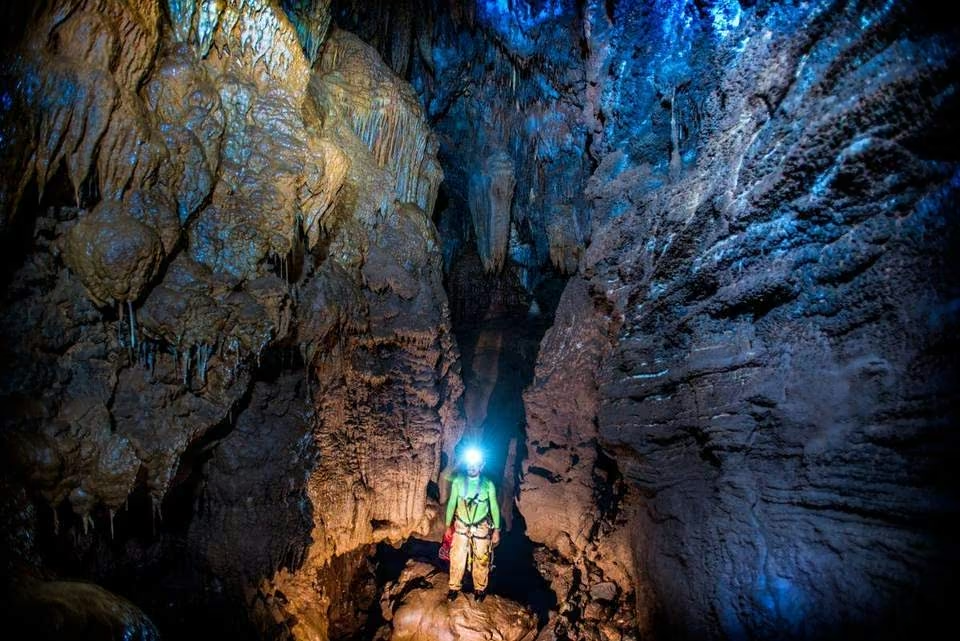
Someone inventing a revelation does not usually begin by doubting it and fearing for his sanity. The earliest account preserves a fear that later piety would have had every reason to delete.
The strongest form of the objection notes that the only source for what happened in the cave is the Prophet’s own telling, passed down by Aisha and others, who were not there. That is true, and the same is true of every private call. A sceptic can argue that a man may be sincere and mistaken. The sources give a second line of evidence: he went on for twenty-three years, accepting hardship, a boycott of his clan and exile from his home, and never retracted his claim. Sincerity of that kind does not prove the claim, and it counts against the charge of fabrication.
Number 5: Asking for evidence of the resurrection is a different request
Muslims ask Christians for evidence of the resurrection because Christianity stakes salvation on a historical event: if Christ has not been raised, Paul says, faith is futile.[9] The claim is historical, so historical evidence is the right demand.
Islam stakes itself on a message. The right demand there is to read the message and judge it. Matching the evidence to the claim is the only fair standard, and it applies to both faiths.
Paul himself offers a list of those who saw the risen Christ, including more than five hundred at one time.[10] By offering witnesses he invites the question of who they were and whether their testimony holds. Islam makes no such offer about Gabriel and does not stake the faith on the answer. A demand for a witness in the cave applies the standard of one religion’s claim to the other.
The bottom line
No one else saw the cave, as no one else saw the bush, the temple vision, or the road to Damascus. What Islam offers in place of a witness is a text, open to anyone, with a challenge attached. The sources add that the people around the Prophet did report seeing Gabriel in human form, and that the first account of the call preserves fear and doubt that an inventor would have left out.
A sceptic may still decline to believe, and the evidence does not compel belief. It does answer the charge that the claim is uniquely unsupported. Read the Quran and answer its challenge. That is the evidence being offered.
Notes
- Exodus 3:1 to 6; Isaiah 6:1 to 8; Acts 9:3 to 7 and 22:6 to 9.
- Quran 2:23, cf. 17:88.
- Quran 29:51; cf. 6:8 to 9.
- Quran 10:16.
- Sahih Muslim, Book of Faith, the hadith of Gabriel.
- Sahih al-Bukhari and Sahih Muslim, the reports of Gabriel appearing in the form of Dihya al-Kalbi.
- Quran 81:19 to 23.
- Sahih al-Bukhari 3, the beginning of revelation. Checked on sunnah.com; Ibn Hajar al-Asqalani, Fath al-Bari (Salafiyya edition), vol. 1, p. 22 (Shamela text).
- 1 Corinthians 15:17.
- 1 Corinthians 15:3 to 8.


Leave a Reply